Why Is My Mortgage Credit Score Lower Than Credit Karma in 2026?

Ashley Rivera
Credit Repair Specialist
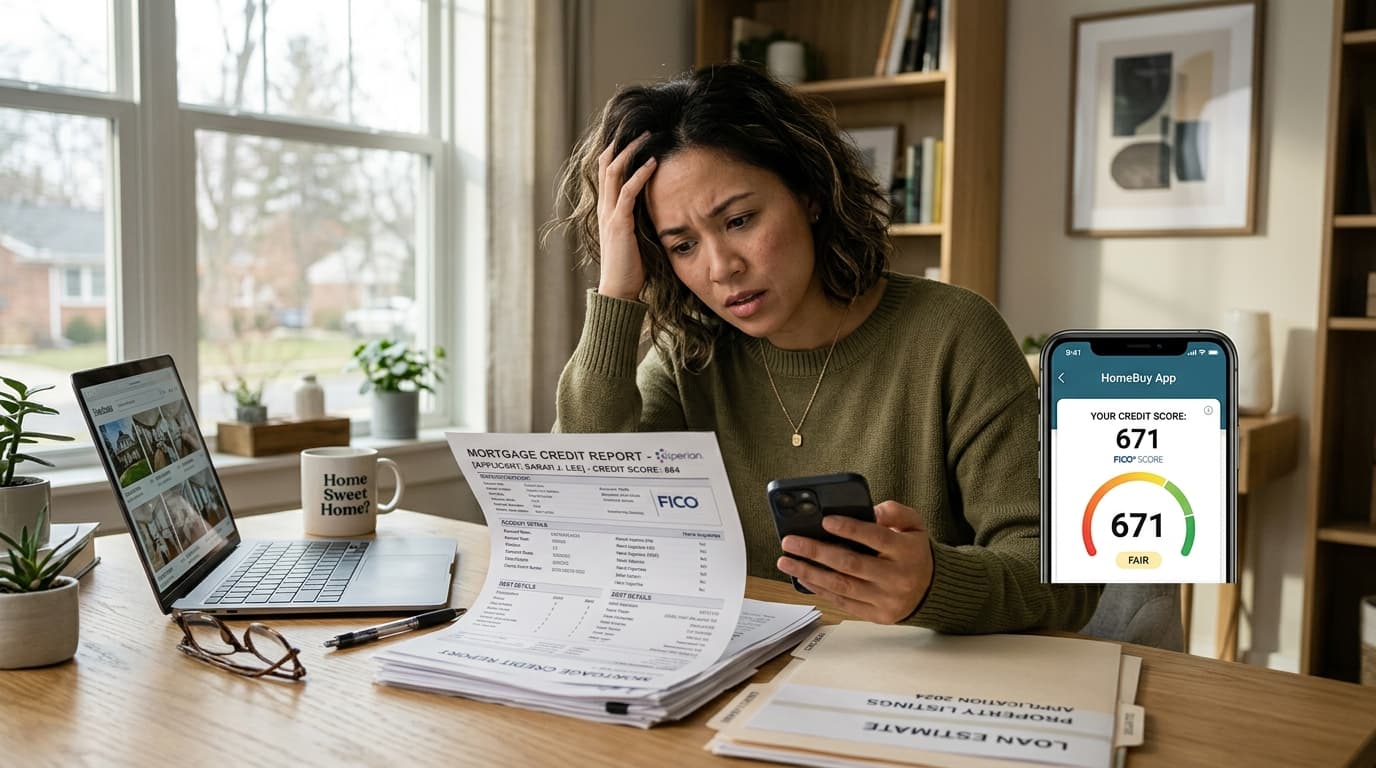
You check Credit Karma and feel pretty good. Maybe it shows a 682. Then your mortgage lender pulls your credit and says your score is 641. Now you are wondering whether somebody made a mistake, your lender is lying, or your credit somehow dropped overnight.
Usually, none of those things happened.
The most common reason your mortgage credit score is lower than Credit Karma is that they are not using the same scoring model. Credit Karma shows VantageScore 3.0 based on TransUnion and Equifax data. Mortgage lenders typically look at older FICO mortgage models, most commonly FICO Score 2, FICO Score 4, and FICO Score 5. Those models can score the exact same credit file very differently.
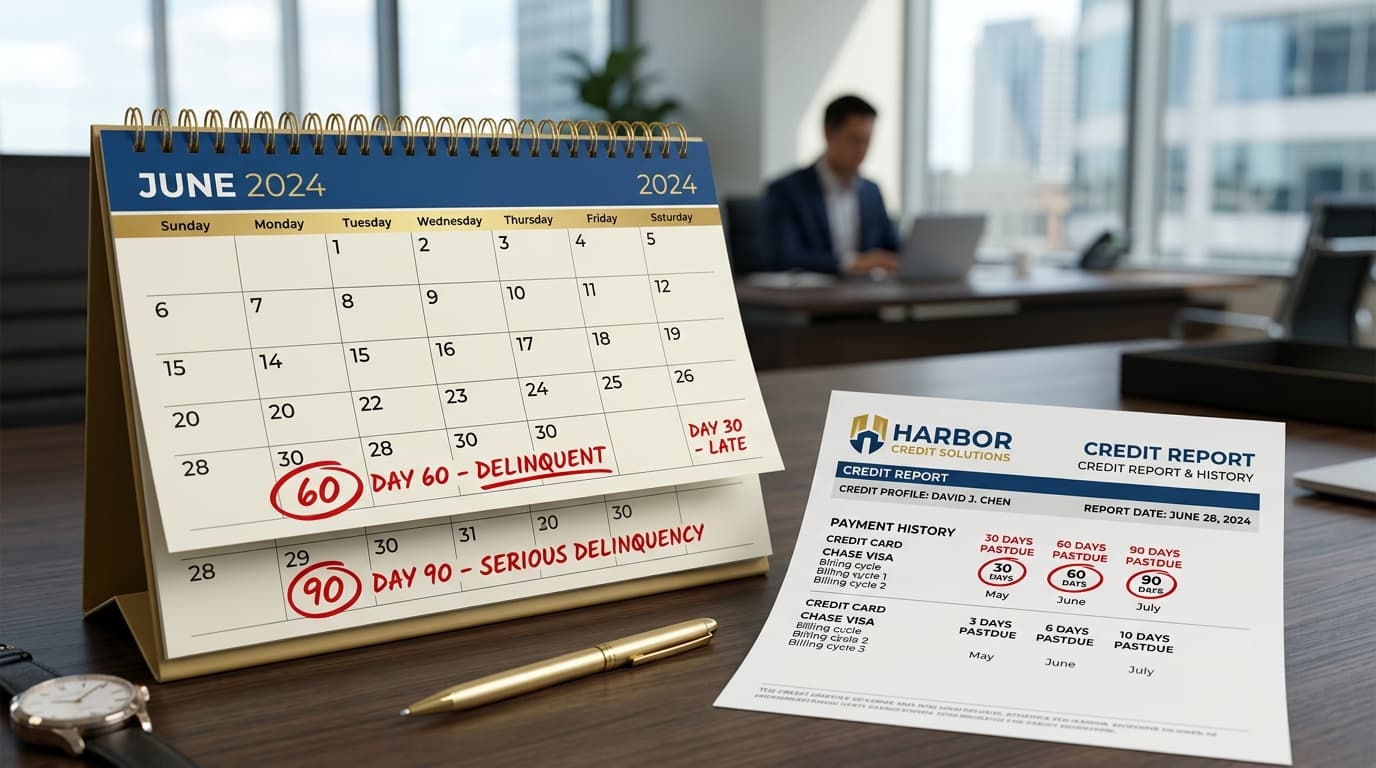
That gap catches people off guard every day. A 20 to 40 point spread is common. Bigger gaps can happen when your file has high credit card balances, recent late payments, disputed accounts, or bureau differences.
If you are trying to qualify for a home loan, this matters a lot more than the number in your app. Here is what is actually going on, why lenders use different scores, and what you can do if your mortgage score came in lower than expected. If you want more background on lender score expectations, read our mortgage credit score guide. If you want help cleaning up the file before you apply, book a consultation with Crowned Credit.
The short answer
- Credit Karma is not showing your mortgage scores.
- Mortgage lenders usually use FICO 2, 4, and 5, not VantageScore 3.0.
- Mortgage scores are often lower because they weigh risk differently.
- Lenders typically use your middle mortgage score when more than one borrower is involved, and the lower middle score can drive the approval decision.
- Report errors, high utilization, recent negatives, and dispute comments can make the gap even worse.
If you only remember one thing, remember this: the mortgage lender is usually looking at a tougher version of your credit score than the one you see for free.
Credit Karma vs mortgage credit score, what is the difference?
Credit Karma is a consumer education tool. It is useful for tracking trends, spotting changes, and catching obvious problems. But it is not designed to show the exact score a mortgage underwriter will use.
Here is the practical difference:
- Credit Karma: usually shows VantageScore 3.0 using data from TransUnion and Equifax.
- Mortgage lenders: commonly review FICO Score 2 from Experian, FICO Score 4 from TransUnion, and FICO Score 5 from Equifax.
That means you are dealing with different score formulas and sometimes different bureau data at the same time.
Think of it like this. Two coaches can watch the same athlete and grade the performance differently because they care about different things. One is scoring overall potential. The other is scoring how likely that athlete is to handle a very specific high-pressure situation. Mortgage scoring works like the second coach.
Why mortgage lenders use older FICO models
This is the part that annoys a lot of borrowers. The mortgage industry often relies on older FICO versions instead of the newest consumer-facing models.
Why? Because mortgage underwriting moves slowly, investors want consistency, and the lending system has been built around those models for years. Lenders are not trying to match your app. They are trying to evaluate the risk of giving someone a six-figure loan that will be repaid over 15 to 30 years.
Those older mortgage FICO models can be less forgiving in certain areas, especially when they see:
- high revolving utilization
- older derogatory accounts that still report heavily
- recent late payments
- collections and charge-offs
- disputed tradelines or unresolved report issues
So no, your lender is not necessarily wrong. They are often using a stricter lens.
How much lower can a mortgage score be than Credit Karma?
There is no universal number, but the difference is often enough to affect approval or pricing.
Some examples:
- Credit Karma: 701, mortgage middle score: 673
- Credit Karma: 664, mortgage middle score: 628
- Credit Karma: 620, mortgage middle score: 589
That spread can move someone from a comfortable approval range into a tougher conversation. It can also affect:
- interest rate
- down payment options
- loan program eligibility
- whether automated underwriting approves the file at all
If you are right near a major threshold, like 580, 620, or 640, even a small scoring gap can matter. That is why borrowers who plan around Credit Karma alone sometimes get blindsided during pre-approval.
What makes mortgage scores lower?
The model difference is the big reason, but it is not the only reason. Here are the most common factors that push mortgage scores down harder than consumer scores.
1. High credit card utilization
If your cards are carrying balances close to the limit, mortgage scores often react badly. Someone with a $5,000 limit and a $4,600 balance may still be current, but that card is reporting at 92% utilization. That can drag a mortgage score fast. For a deeper breakdown, read how credit utilization works and our guide on credit utilization hurting your score.
2. The bureaus do not match
Credit Karma mainly shows Equifax and TransUnion. Your lender is also looking at Experian, and the data may not be identical. One bureau may show an older collection, a higher balance, a missing tradeline, or a dispute comment the others do not show.
This is one reason we tell people to review all three reports, not just one app. Start with how to read your credit report and the three credit bureaus.
3. Recent late payments or derogatories
A 30-day late from four months ago can sting more in a mortgage score than people expect. Same goes for fresh collections, charge-offs, repossessions, or other recent negatives. If your file looks unstable right now, the mortgage model may hit it harder.
4. Disputed accounts or dispute comments
This is a big one for homebuyers. If an account shows a dispute remark, some mortgage underwriting situations may require those comments to be removed before final approval. That does not always mean the dispute was a mistake. It means the lender wants a cleaner read on the file. If that is your situation, read our dispute comments before a mortgage guide.
5. Thin or uneven credit history
If you only have a couple of accounts, short history, or one bureau is missing key positive data, the mortgage score may come in weaker than expected. Thin files can look fine in a free app and still underperform during underwriting. We cover the basics in what a thin credit file is.
Which score does the mortgage lender actually use?
For many mortgage applications, the lender pulls all three mortgage FICO scores.
If you are applying alone, they often use the middle score, not the highest and not the average.
Example:
- Experian FICO 2: 611
- TransUnion FICO 4: 647
- Equifax FICO 5: 629
In that case, the score that usually matters most is 629, the middle score.
If there are two borrowers, lenders often use the lower middle score between both applicants. That is why one weaker co-borrower can change the whole file.
This matters when people say, “But one of my scores was good.” The lender may not care about the good one if the qualifying score lands lower.
Why your lender score can change even when Credit Karma looks stable
Another thing that throws people off is timing.
Your free app may not update at the same moment your lender pulls credit. Balances may have changed. A creditor may have reported to one bureau but not the others. A deletion or update may have hit after your app last refreshed.
So the difference is not always just model versus model. Sometimes it is also timing plus bureau mismatch plus scoring model all stacked together.
That is why a borrower can say, “My score was fine yesterday,” and still get a rough surprise at pre-approval.
What should you do if your mortgage score is lower than expected?
Do not panic and do not start clicking random credit hacks on TikTok.
Start with the moves that actually affect mortgage approval.
Pull all three real reports
You need to see what each bureau is showing. Look for inaccurate late payments, duplicate collections, outdated balances, wrong personal information, or mixed-file issues. If there are clear problems, your FCRA dispute rights matter.
Pay down revolving balances
If utilization is high, lowering card balances is often one of the fastest legitimate ways to improve the file. Someone sitting at 88% utilization across several cards can look very different after getting those balances down.
Review any dispute remarks before underwriting
If you are already in the mortgage process, ask the lender exactly what they need. Sometimes disputed tradelines become an underwriting issue. Handle it strategically, not blindly.
Do not apply for new credit right before the mortgage
New accounts, fresh hard inquiries, and sudden balance changes can create extra noise. When you are close to approval, stability usually beats experimentation.
Fix report problems before shopping lenders aggressively
Some people get denied, then start spraying applications everywhere. That usually adds inquiries without fixing the core issue. Clean up the file first, then go back stronger. If you are still early in the process, our guide on getting a mortgage with bad credit can help frame the next steps.
Can credit repair help raise a mortgage score?
Sometimes, yes, especially when the file has inaccurate negative items, old reporting problems, unresolved collections, or utilization issues that are making approval harder than it should be.
Professional credit repair is not magic, and no legitimate company can promise a specific score jump or exact timeline. But if your report has real issues, strategic work can improve how the file looks before a lender makes the final call.
At Crowned Credit, we help clients identify what is actually dragging the file down, dispute negative items strategically under federal law, and build a plan around the goal, whether that is qualifying for a mortgage, improving terms, or getting the report cleaned up before the next pull.
Our plans are straightforward:
- Essential: $150 enrollment + $99/month
- Accelerated: $249 enrollment + $199/month
- Momentum: custom quote, one-time
You can compare those options on our pricing page. If you want a real plan based on your report, book a consultation or call 336-310-0090.
Bottom line
If your mortgage credit score is lower than Credit Karma, that does not automatically mean your credit collapsed. In most cases, it means your lender is using different scoring models, different bureau data, and a stricter underwriting lens.
The good news is that the gap is usually explainable. The better news is that some of the biggest issues, like high utilization, inaccurate reporting, and unresolved dispute remarks, can often be addressed before you move forward.
If you want help figuring out what is actually hurting your mortgage score, Crowned Credit can help you build the next-step plan. Book your consultation here.
Disclaimer: Credit results vary from person to person. No credit repair company can legally guarantee a specific score increase, deletion, mortgage approval, or timeline. Crowned Credit operates in compliance with CROA and applicable federal and state law.