What Credit Score Do You Need for a USDA Loan in 2026?

Ashley Rivera
Credit Repair Specialist
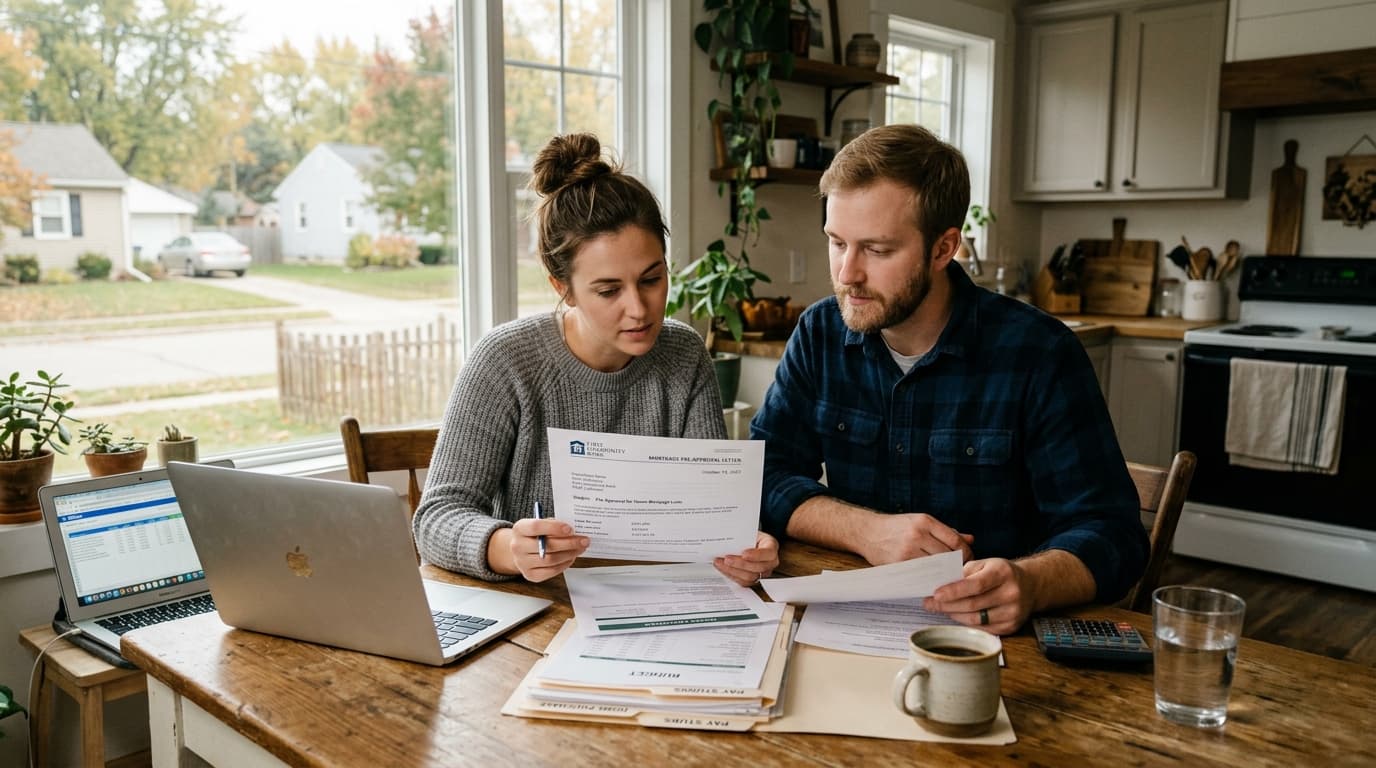
You hear zero down payment and suddenly a USDA loan sounds like the cleanest path to buying a house.
Then the next question hits: what credit score do you actually need?
This is where people get tripped up. One site says 640. Another says there is no minimum. A lender says, “it depends.” None of that helps when you are trying to figure out whether you can buy now or whether you need to spend the next 60 to 120 days cleaning up your file first.
Here is the straight answer. The USDA does not set one hard minimum credit score in the program rules, but many lenders want to see at least a 640. Some borrowers can still qualify below that mark, but the deal usually gets harder, slower, and more dependent on the rest of the file.
If you are trying to buy in a rural or eligible suburban area, this guide will show you what lenders usually look for, what can knock you out of the running, and how to improve your approval odds before you apply. If you want help building that plan, book a consultation with Crowned Credit.
The quick answer: most USDA borrowers should aim for 640 or higher
Let’s keep this simple.
- No official USDA minimum: the program itself does not publish one universal score requirement for every borrower.
- 640 is the common target: many lenders use 640 because it can make automated underwriting easier.
- Below 640 is still possible: some lenders may review lower-score applications manually, but they usually want stronger compensating factors.
- Higher scores still help: even with a USDA loan, stronger credit can make approval smoother and reduce the number of questions underwriters ask.
If your middle mortgage score is 660, you are usually in a much stronger position than someone sitting at 602 with the same income and debt. That does not mean 602 is automatically dead. It means the second borrower usually needs more explanation, cleaner recent history, and fewer weak spots.
Why 640 matters so much for USDA loans
The reason you keep seeing 640 is not because every lender worships that number. It is because 640 often lines up with easier automated underwriting treatment.
When an application can move through the lender’s normal automated process with fewer exceptions, things tend to move faster. Fewer conditions. Fewer underwriter headaches. Fewer chances for a loan officer to come back and say they need more documentation.
Below 640, the file can still work, but lenders may want a closer look at the whole picture, including:
- recent late payments
- collections or charge-offs
- debt-to-income ratio
- cash reserves
- job stability
- whether the property meets USDA eligibility rules
That is why two people with the same score can get very different answers. A 630 borrower with low balances, strong income, and clean recent history may look much safer than a 630 borrower with maxed-out cards, fresh lates, and active collections.
Can you get a USDA loan with a 620 credit score?
Yes, sometimes.
A 620 score is not an automatic rejection. In real life, some lenders approve USDA borrowers in that range, especially when the rest of the file is solid. But you should expect more scrutiny.
At 620, the underwriter may pay closer attention to things like:
- whether you had any late payments in the last 12 months
- how much credit card debt you are carrying
- whether collections are paid, unpaid, or still reporting incorrectly
- how stable your employment and income look
- whether you have any major red flags like bankruptcy, foreclosure, or recent repossession
Think of it this way. 620 can be workable, but it is rarely comfortable. If you have time to improve the file before applying, even a modest jump into the mid-600s can make the process feel a lot less fragile.
Can you get a USDA loan below 620?
Possible? Yes. Common? No.
Once you drop below 620, you are getting into the range where lender overlays, manual review, and file quality matter a lot more. Some lenders will not want the deal at all. Others may consider it if there are strong offsetting factors.
Those compensating factors can include:
- low debt-to-income ratio
- stable employment history
- documented rent history paid on time
- cash reserves after closing
- limited recent derogatory activity
But if your score is under 620 because your cards are over 80 percent utilized, you have fresh late payments, and there are multiple unresolved negative accounts on the report, that is the kind of profile that usually benefits from cleanup first, not a rushed application.
What else do lenders look at besides your credit score?
Your score matters, but it is not the whole approval decision.
For USDA loans, lenders usually care about four buckets:
1. Debt-to-income ratio
If too much of your monthly income is already going toward other debt, approval gets harder. USDA borrowers should understand their numbers before applying. If you need help with that piece, read our debt-to-income ratio guide.
2. Recent payment history
A 645 score with no recent late payments often looks better than a 665 score with a fresh 30-day late from two months ago. Recent behavior matters because underwriters want to know whether the problem is old history or an active pattern.
3. Credit report accuracy
This gets overlooked all the time. Plenty of people apply with duplicate collections, outdated balances, or accounts that should have been challenged months earlier. If the report is dragging your score down for the wrong reasons, that needs to be addressed. Start with credit report errors and your FCRA dispute rights.
4. Income and property eligibility
USDA loans are built for eligible borrowers buying in eligible areas. So even a strong credit score does not save a file if the household income is too high for the area or the property is outside the program map.
What can disqualify you from a USDA loan?
Sometimes people focus so hard on the score that they miss the real blockers.
Common reasons a USDA loan gets denied include:
- income above local USDA limits
- property not in an eligible area
- recent late payments or unstable credit behavior
- debt-to-income ratio that is too high
- insufficient income documentation
- major derogatory events without enough time or recovery afterward
Example: someone with a 646 score might still get denied if they are carrying heavy monthly debt and just had a 60-day late payment last quarter. Meanwhile, another borrower with a 621 score may still get approved because their rent history is strong, their cards are mostly paid down, and the rest of the file is stable.
How to improve your USDA loan approval odds before you apply
If your score is close but not where it needs to be, there are a few moves that usually matter more than random credit hacks.
Pay down revolving utilization first
This is often the fastest win. If your credit cards are near the limit, your score can be suppressed even if you have been making the minimum payments. Paying balances down below 30 percent, and ideally lower, can help quickly. Read how credit utilization works if you want the mechanics.
Review all three reports carefully
Mortgage lending can use a merged credit report. If Equifax, Experian, and TransUnion are not all reporting the same way, you need to know that before the lender does. Our guide on how to read your credit report can help.
Address derogatory items strategically
If there are collections, charge-offs, or other negative accounts dragging the file down, do not assume you have to just live with them. Under the FCRA, reported information must be accurate and verifiable. If you have collection accounts, our article on how to remove collections from a credit report is a good place to start.
Avoid new mistakes while you are preparing
One new late payment can do more damage than people expect. If you are trying to buy within the next few months, stability matters. No new lates, no random credit applications, no maxing cards out right before underwriting.
How long should you wait before applying?
That depends on why your score is low.
If you are already around 638 to 645 and the only issue is high credit card utilization, you may be able to improve your file in a matter of weeks once lower balances report.
If your score is lower because of multiple derogatory accounts, inconsistent reporting, or recent missed payments, the timeline is usually longer. In that situation, the better move is often to get strategic first instead of burning a mortgage pull before the file is ready.
This is where people lose money. They apply too early, get denied, and now they have another hard inquiry plus more frustration. A cleaner, better-timed application is usually the smarter play.
USDA vs FHA vs conventional, where does USDA fit?
USDA loans are attractive because of the zero-down feature, but they are not automatically easier than everything else.
- USDA: great fit for eligible areas, income-qualified borrowers, and buyers who want low upfront cash requirements.
- FHA: often more flexible for lower scores, but still depends heavily on lender standards and the rest of the file.
- Conventional: usually better once your score gets stronger, especially if you want better pricing options and fewer restrictions.
If you want a broader comparison, read what credit score you need to buy a house and how to get a mortgage with bad credit.
When professional credit help makes sense
If your report is clean and your score is already comfortably above 640, you may not need much help. But if you are in that frustrating middle zone, maybe 585 to 635, and you know there are negative items, high utilization, or reporting problems holding you back, professional help can shorten the guesswork.
At Crowned Credit, we help clients review their reports, identify what is hurting the file, and build a strategy around the actual goal, not just the score in isolation. For some people, that means disputing negative items strategically under federal law. For others, it means getting balances down, adding the right positive history, or preparing the file for mortgage timing.
Our plans are:
- Essential: $150 enrollment + $99/month
- Accelerated: $249 enrollment + $199/month
- Momentum: custom quote, one-time
You can compare options on our pricing page. If you want someone to look at your situation before you apply, book a consultation or call 336-310-0090.
Bottom line
If you are asking what credit score you need for a USDA loan in 2026, the practical answer is this: aim for 640 or better, but know that the full file still matters.
A borrower under 640 is not automatically out. But lower scores usually mean more lender caution, more conditions, and a greater need for a strong overall profile. If your report has errors, inflated balances, or derogatory items weighing it down, fixing those issues before you apply can improve your odds in a real way.
If you want a second set of eyes on your credit before you go after a USDA loan, Crowned Credit can help you map out the smartest next move. Start with a consultation here.
Disclaimer: Credit results vary from person to person. No credit repair company can legally guarantee a specific score increase, deletion, mortgage approval, or timeline. Crowned Credit operates in compliance with CROA and applicable federal and state law.