DIY Credit Repair vs Hiring a Professional: Which Is Actually Worth It?

Ashley Rivera
Credit Repair Specialist

The Real Question: Can You Do This Yourself?
Yes — technically, anyone can dispute errors on their credit report. The Fair Credit Reporting Act (FCRA) gives every American the legal right to challenge inaccurate, outdated, or unverifiable information directly with the credit bureaus. You don't need a license to do it. You don't need to hire anyone. And the bureaus are legally required to investigate.
So the real question isn't can you do it yourself — it's should you. And that depends entirely on your situation.
This guide is going to give you the honest version. No fluff, no sales pitch masquerading as education. Just a clear-eyed look at both paths so you can make the call that's right for you.
What DIY Credit Improvement Actually Involves
If you're going to handle your credit restoration on your own, here's what the process actually looks like — not the watered-down version.
Step 1: Pull All Three Reports
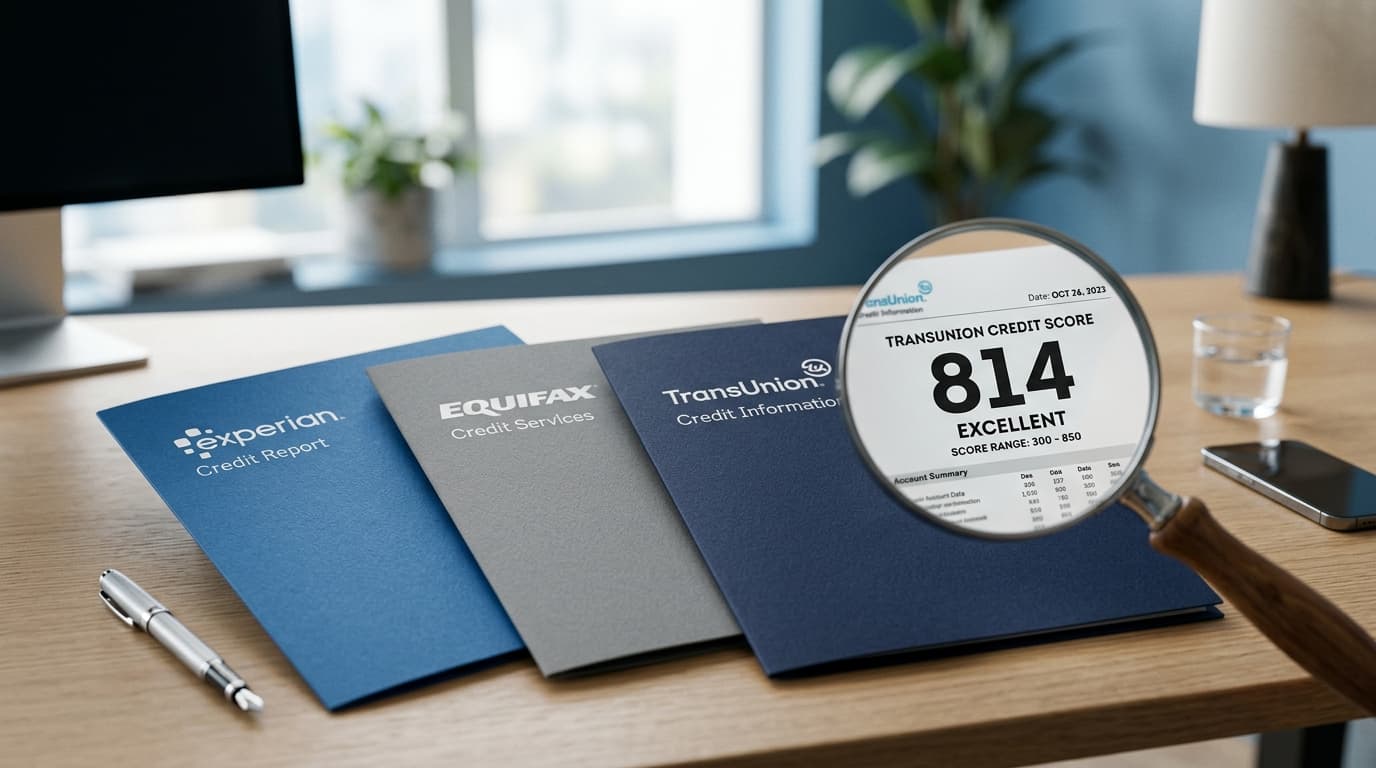
You'll need reports from Equifax, Experian, and TransUnion. These aren't the same — creditors report to different bureaus at different times, and errors on one report don't automatically appear on others. Pull all three at AnnualCreditReport.com, the only federally authorized free source.
Step 2: Audit Every Line Item
Go through each account line by line. Look for:
- Accounts that aren't yours (identity theft or mixed files)
- Late payments you know you made on time
- Balances reported higher than your actual balance
- Accounts still showing open that you closed
- Duplicate collections (same debt listed multiple times)
- Debts past the 7-year reporting window still appearing
- Incorrect personal information (wrong name, address, SSN)
Step 3: Build Your Dispute Letters
This is where most DIY attempts fall apart. Generic dispute letters don't work well. Each dispute needs to be specific: account number, the exact error, why it's wrong, and what evidence you have. You'll want to reference FCRA Section 611 for investigation requirements and FCRA Section 623 for furnisher responsibilities. Certified mail, return receipt requested — always.
Step 4: Track Every Response
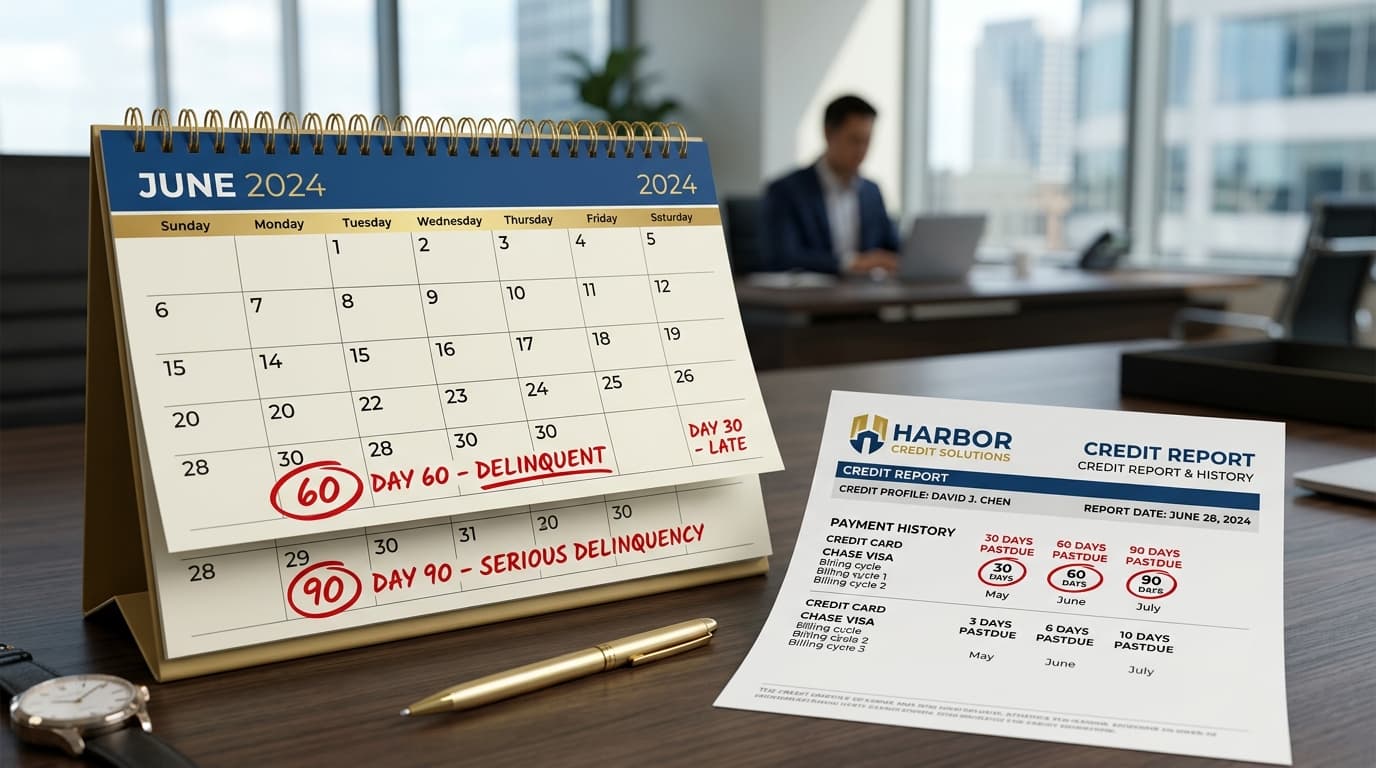
Bureaus have 30 days to investigate (45 if you submitted additional information). They'll send results by mail. You need to track each dispute, each response, and follow up on anything marked "verified" that you believe is still wrong — because you may need to escalate to the CFPB or pursue a different strategy.
Step 5: Repeat
Credit restoration is rarely a one-and-done process. It takes multiple rounds of disputes, follow-ups, goodwill letters to creditors, and sometimes direct debt validation requests to collection agencies.
Realistic time investment: 5–15 hours to get started, then 2–4 hours per month for follow-up and new rounds. Most DIY timelines run 6–18 months for meaningful results. Results vary based on individual credit profiles and are not guaranteed.
The Real Cost of DIY
People assume DIY is free. It's not — it just costs differently.
- Certified mail per dispute: $5–8 each. If you're disputing 10 items across 3 bureaus, that's potentially $150–240 in postage alone.
- Credit monitoring: You need to track changes. Good monitoring runs $20–40/month.
- Your time: At a conservative $25/hour, 15 hours upfront + 3 hours/month × 12 months = $1,125 in time value in year one.
- Mistakes: Disputing an accurate negative item, settling a debt without a deletion agreement, or unknowingly restarting a statute of limitations can actively hurt you.
Total year-one DIY cost estimate: $500–1,500+ when you factor in everything honestly.
What Hiring a Professional Actually Gets You
A legitimate credit restoration company isn't just sending letters for you. The good ones bring:
- Expertise in FCRA, FDCPA, and CROA compliance — they know what's disputable, what isn't, and how to argue it effectively
- Established relationships with bureau dispute teams and experience with how they process different types of disputes
- Multiple dispute strategies — not just the same generic letter sent three times
- Creditor intervention — direct goodwill letters, pay-for-delete negotiations, debt validation
- Monitoring and iteration — they track your file, catch new issues, and adjust strategy monthly
- Your time back — this is often the biggest factor for busy professionals
At Crowned Credit, the approach varies by situation. The Essential plan ($150 setup + $99/month) covers standard dispute work. The Accelerated plan ($249 setup + $199/month) is built for more complex profiles — multiple collections, older debts, or files where strategy matters more than volume. The Momentum plan (one-time and prepaid, priced by custom quote) is for people who want a defined engagement with a clear endpoint.
When DIY Makes Sense
Be honest with yourself. DIY is actually the right call if:
- You have 1–3 clear errors that are obviously wrong (wrong name, an account that isn't yours, a paid debt still showing as unpaid)
- You have significant free time and enjoy research/paperwork
- Your credit issues are primarily aging — you're just waiting for negative items to fall off and there's nothing to dispute
- You're on a very tight budget and have the discipline to do this consistently for 12+ months
- You want to learn the system and understand your rights deeply
When Hiring a Professional Is Worth It
Most people are better served by professional help if:
- You have multiple negative items across different accounts or bureaus
- You have collections, charge-offs, or judgments — these require specific strategies, not just generic disputes
- You're preparing for a major purchase — mortgage, car loan, business financing — within 12–24 months
- You've tried DIY and hit a wall with "verified" responses you don't know how to challenge
- Your time is genuinely valuable and you'd rather focus on work, family, or business
- You're dealing with identity theft aftermath — this is complex and errors multiply
- Your score is below 600 and you need a strategic approach, not just letter-sending
What to Look for (and Avoid) in a Professional
This industry has bad actors. Here's how to tell the difference:
Legitimate companies:
- Comply with the Credit Repair Organizations Act (CROA) — they cannot charge before services are rendered
- Give you a written contract and a 3-day right to cancel
- Never guarantee specific score increases (that's illegal under CROA)
- Explain exactly what they'll do and what you can do yourself for free
Red flags:
- Upfront payment before any work is done
- Promises of a specific score increase or "guaranteed" deletion
- "New credit identity" or "CPN" offers — this is fraud
- Pressure to dispute everything, accurate or not
The Honest Bottom Line
If you have a simple file with a couple of clear errors, take 30 minutes and dispute them yourself. The bureaus' online portals work fine for straightforward cases.
If your credit situation is complex — multiple negatives, collections, a score under 620, or a major financial goal within 2 years — professional help typically pays for itself through better loan rates, lower deposits, and faster results than most people achieve on their own. Results vary based on individual credit profiles and are not guaranteed.
The difference between a 580 and a 680 credit score on a $250,000 mortgage can be $50,000+ in extra interest over the life of the loan. That context matters when evaluating what professional help is worth.
Ready to Find Out Where You Stand?
If you're not sure which path makes sense for your specific situation, the smartest move is a free consultation before committing to anything. Crowned Credit offers a no-pressure review of your credit profile — you'll know exactly what's on your report, what can be disputed, and what timeline is realistic.
No commitment. No sales pressure. Just clarity.
Crowned Credit is a registered credit services organization. Results vary based on individual credit profiles and are not guaranteed. You have the right to dispute inaccurate information on your credit report directly with the credit bureaus at no cost.