How Often Does Your Credit Score Update in 2026? What Actually Changes, When It Changes, and Why It Feels So Random

Ashley Rivera
Credit Repair Specialist

You paid a card down last week. You opened your credit app this morning. The score barely moved, or worse, it did not move at all.
That usually leads to the same question: how often does your credit score update?
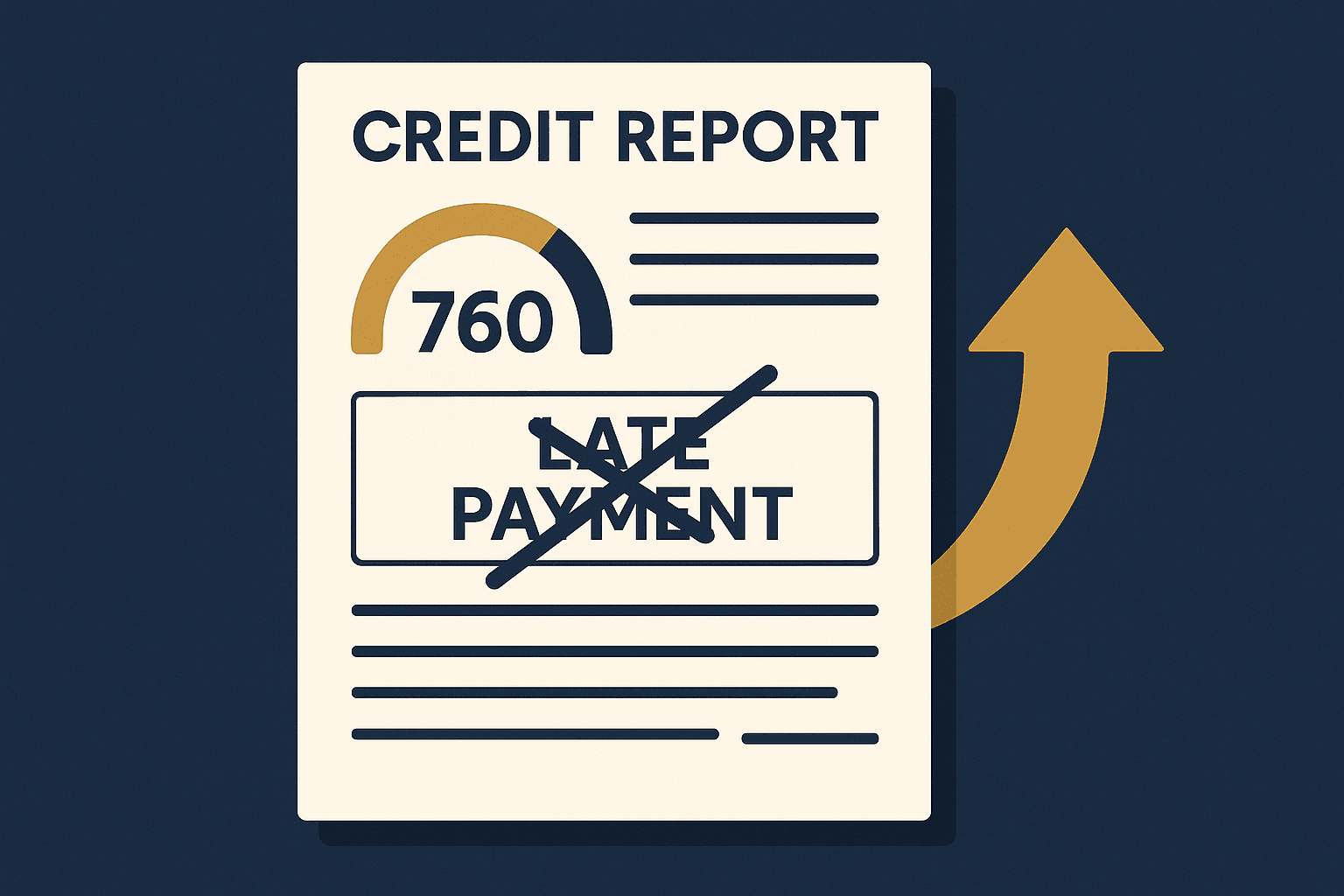
The short answer is this: most credit scores update when new information hits your credit reports, and that usually happens on a rolling basis throughout the month, often every 30 to 45 days per account. There is no single national “credit score update day.” Your score can refresh multiple times in a month, or it can look stuck if your lenders have not reported anything new yet.
That is why two things can be true at once. You can make a smart move, like paying down a card, and still not see a score change right away. Or you can see one score move while another barely budges because different bureaus got different updates on different days.
In this guide, I’ll break down what actually triggers updates, how long changes usually take to show up, why your score may differ across apps, and what to do if you are waiting on movement before applying for a mortgage, car loan, or credit card.
The Short Answer
Your credit score does not update on a fixed public schedule. It typically changes after a lender, card issuer, or servicer sends fresh account data to one or more credit bureaus.
In practical terms, that means:
- Many lenders report about once a month
- Some accounts update every 30 to 45 days
- Different lenders report on different dates
- Experian, Equifax, and TransUnion may receive the same update on different days
- Your score can refresh more than once in a single month if multiple accounts change
If you want the foundation first, read how credit scores work and our guide to credit monitoring.
What Actually Causes a Credit Score Update?
Your score is based on the information in your credit report at the moment that score is calculated. So the score usually changes when the underlying report changes.
Common triggers include:
- A new balance reports on a credit card
- A payment posts and the lender later reports the updated status
- A late payment hits the file
- A new account opens
- A hard inquiry appears after an application
- A collection, charge-off, or other derogatory item updates
- A disputed item is corrected, deleted, or re-verified
Think of the score like a snapshot, not a running live broadcast. If your lender has not reported the new data yet, the scoring model has nothing new to react to.
Why It Feels Random Even When It Isn’t
This is where people get frustrated. They assume credit scores work like a bank balance, where every action updates instantly. That is not how the system works.
Let’s say you pay a card down from $4,800 to $400 on April 3.
- Your payment may post to the card issuer the same day or the next business day
- The issuer may not report that new balance to the bureaus until your statement date, or another internal reporting date
- Experian might receive the update first
- TransUnion might receive it days later
- Your bank’s app might show a VantageScore while a lender pulls a FICO version
So from your point of view, it looks messy. From the system’s point of view, it is just staggered reporting.
That is also why someone can say, “My score updated four times this month,” while someone else says, “Mine has not moved in weeks.” Both can be telling the truth.
How Long Does It Usually Take for Credit Score Changes to Show Up?
For most people, meaningful credit score changes show up within a few days to about 45 days, depending on what changed and when the creditor reports it.
Here is a realistic breakdown:
- Credit card balance changes: often show up after the next reporting cycle, commonly within 30 days
- New late payments: can affect your score fast once reported, especially once you are 30 days past due
- Dispute corrections or deletions: timing varies, but changes usually appear after the bureau updates the file following the investigation
- Paid collections or old derogatories: the score impact depends on the model being used and whether the item is deleted, updated, or simply marked paid
- Rapid rescore situations: in mortgage-related cases, a lender may be able to trigger a faster recalculation in a matter of days after documented updates
If you are trying to move quickly for a home purchase, read our rapid rescore guide. That is very different from waiting around for normal monthly reporting.
Do All Three Credit Bureaus Update at the Same Time?
No. That is one of the biggest reasons consumers see different scores in different places.
A lender may report to all three bureaus, only two, or sometimes just one. Even if they report to all three, those updates may not land on the same date. So your Experian-based score could change before your TransUnion-based score does.
That does not automatically mean one score is wrong. It may just be working from slightly different data.
If you are confused by score differences, pair this with FICO vs. VantageScore and our guide to the three credit bureaus.
Why Your Score Looks Different Across Apps
Not every site is showing you the same kind of score.
One app may show a VantageScore based on TransUnion data. Another may show a FICO Score based on Experian data. A mortgage lender may use older mortgage-focused FICO models. An auto lender may use an industry-specific auto score.
That means your score can differ because of:
- The bureau used
- The scoring model used
- The exact date the score was refreshed
- Whether new data has reached that source yet
This is a big reason people panic for no reason. They see a 24-point difference between two apps and assume something is broken. Often it is just a different model reading a different bureau on a different day.
What Changes Your Score the Fastest?
If your goal is short-term movement, the biggest swing factor for many consumers is still credit card utilization.
Example:
If you have a $5,000 limit and a $4,500 reported balance, that card is sitting at 90% utilization. If you pay it down to $500 and the lender reports the new balance, that can create a meaningful difference much faster than waiting for an old derogatory item to age.
Other events that can move the score fast once reported include:
- New 30-day late payments
- Collection accounts appearing
- Large balance spikes
- Hard inquiries tied to new applications
- Major corrections after a successful dispute
If you recently paid off debt and expected a bigger jump, read why your score can drop after paying off debt. That article explains why the timing and reporting details matter.
What If You Paid a Card and Nothing Happened Yet?
That does not necessarily mean the payment “didn’t count.” It usually means the reported balance has not updated yet.
Here is the sequence that matters:
- You make the payment
- The payment posts with the creditor
- The creditor chooses a reporting date
- The bureau updates your file
- A fresh score is calculated from that updated file
That is why people who are trying to qualify for financing often need to think a few weeks ahead, not a few hours ahead.
How Often Should You Check Your Credit Score?
For most people, once or twice a month is enough. If you are actively rebuilding, waiting on dispute results, or preparing for a major application, checking more often can make sense.
Checking your own credit does not hurt your score. It is generally treated as a soft inquiry, not a hard one. If you want the full breakdown, read does checking your own credit hurt your score.
A smart routine looks like this:
- Monthly: review trends, balances, and any new negative items
- Before applying: pull all three reports and verify what is actually reporting
- After disputes or paydowns: keep watching until the updated data shows up
- After identity theft concerns: monitor closely and consider additional protections
You can also pull your reports through our free credit report guide so you are not relying only on whatever one app happens to show.
When a “Stuck” Score Is a Real Problem
Sometimes the issue is not impatience. Sometimes the report really does need attention.
Watch for these situations:
- A paid-down card is still reporting the old high balance weeks later
- A deleted item is still showing on one or more bureaus
- A hard inquiry appears that you did not authorize
- Your personal information is mixed with someone else’s file
- A late payment is reporting inaccurately
When that happens, the next step is not guessing. It is reviewing the full reports, gathering documentation, and using your rights under the Fair Credit Reporting Act when necessary. Start with your FCRA dispute rights and common credit report errors.
What Crowned Credit Tells Clients About Update Timing
At Crowned Credit, one of the most common misconceptions we hear is, “I paid everything, so why didn’t my score jump overnight?”
Usually the answer is timing, reporting cycles, or file complexity. If you have high utilization, aged negative items, recent late payments, or mixed bureau data, the score may not respond in one clean straight line.
That is why strategy matters more than obsessively refreshing an app. You need to know:
- What is currently reporting
- What should update next
- Which items may be challenged or corrected
- Whether you are dealing with a balance problem, a derogatory problem, or both
If you want help reviewing the full file, book a consultation or check our pricing:
- Essential: $150 setup + $99/month
- Accelerated: $249 setup + $199/month
- Momentum: custom quote, one-time
You can also call 336-310-0090 if you want to talk through your situation first.
CROA Disclosure: No company can legally guarantee a specific credit score increase or promise results within a certain timeframe. Credit outcomes depend on your current profile, the information being reported, the timing of creditor updates, your payment behavior, and whether disputed items are verified, corrected, or deleted.
Bottom Line
Your credit score usually updates when fresh data reaches your credit reports, not on one universal calendar date. For many accounts, that means about every 30 to 45 days, but it can happen sooner, later, or multiple times a month depending on who is reporting and where they are reporting it.
If you are waiting for movement, the real question is not just “How often does my score update?” It is “Has the information I changed actually been reported yet?”
If you want a team to help you sort through reporting delays, disputes, negative items, and the bigger issues holding your file down, book your call with Crowned Credit.