Credit Builder Loans: How They Work and If They're Worth It in 2026

Ashley Rivera
Credit Repair Specialist

What Is a Credit Builder Loan, and Why Would You Need One?
If your credit score is below 620 — or you have no credit history at all — traditional lenders won't give you the time of day. You can't get a loan to build credit because you need credit to get a loan. It's a frustrating loop, and most people don't know the way out.
A credit builder loan is specifically designed to break that cycle. Unlike a normal loan where you borrow money and pay it back, a credit builder loan works in reverse: you make payments first, and you get the money at the end. The entire purpose is to generate a payment history on your credit report.
This guide covers exactly how credit builder loans work in 2026, who they make sense for, which options are actually worth using, and where they fit into a broader credit repair strategy.
How a Credit Builder Loan Actually Works
Here's the mechanics, plain and simple:
- You apply for a credit builder loan through a credit union, community bank, online lender, or fintech platform.
- Instead of receiving the loan funds, the lender deposits that money into a locked savings account or certificate of deposit (CD).
- You make fixed monthly payments — typically $25 to $150 per month — for 12 to 24 months.
- The lender reports each payment (on-time or late) to one or more of the three major credit bureaus: Experian, TransUnion, and Equifax.
- When the loan term ends, you get the full principal back, minus any interest and fees.
That's it. You're essentially paying into a savings account while simultaneously building a positive payment history. The "loan" is really just a structured savings program with a credit-building side effect.
For someone with no credit or thin credit, this creates something that didn't exist before: a track record. That track record matters enormously because payment history is the single largest factor in your FICO score — accounting for 35% of the total.
What Credit Builder Loans Actually Cost
Nothing that builds credit is entirely free, and you should know the full cost before signing up.
Interest rate: Most credit builder loans charge anywhere from 5% to 16% APR. The exact rate depends on the lender and your state. Self (one of the most popular platforms) charges roughly 15-16% APR depending on the plan you choose.
Administrative fees: Some lenders charge a one-time setup fee of $9 to $25.
What you actually "lose": On a $1,000 credit builder loan at 15% APR over 12 months, you'd pay about $83 in interest. You get back roughly $917 at the end. So you're paying around $83 for 12 months of payment history on your credit report.
For most people trying to build credit, $83 is a reasonable trade. A 50-point improvement in your credit score could save you thousands in interest on a car loan or mortgage.
Popular Credit Builder Loan Options in 2026
There are more options today than there were five years ago. Here are the most commonly used:
Self (formerly Self Lender)
Self is the most widely recognized credit builder loan platform. You choose a loan amount and term, pay monthly, and get the money back at the end. Self also reports to all three bureaus, which maximizes the credit-building impact. Plans start around $25/month. One thing worth knowing: Self also offers a secured credit card once you've built up some savings, giving you a second tradeline to work with.
Credit Unions and Community Banks
Many local credit unions offer credit builder loans with lower interest rates than online platforms — sometimes as low as 5-8% APR. The catch is you typically need to become a member first. If you're near a credit union that offers these, it's often the cheapest option. Call and ask; many don't advertise this product heavily.
Digital Federal Credit Union (DCU)
DCU is available nationally and offers credit builder loans up to $3,000 at competitive rates. Reports to all three bureaus. Membership is open to virtually anyone through partner organizations.
MoneyLion
MoneyLion bundles a credit builder loan with other financial products. Reports to all three bureaus and has a mobile-first interface that some users find easier to manage.
Kikoff
Kikoff offers a no-interest credit builder loan, which makes it unique. You pay $5-$10/month and get back what you paid at the end. It only reports to two bureaus (Equifax and TransUnion), not Experian, which is a limitation worth knowing.
Will a Credit Builder Loan Actually Improve Your Score?
Yes — but the results vary significantly based on your starting point and what else is on your report.
If you have a completely empty credit file (no accounts, no history), a credit builder loan typically creates a meaningful score within 3-6 months of your first payment. Some people see scores in the 630-680 range after 12 months of on-time payments on a credit builder loan alone.
If you already have negative items on your report — late payments, collections, charge-offs — a credit builder loan will add positive information, but it won't remove the negative items. That's a different problem requiring a different solution.
Think of it this way: a credit builder loan is a construction tool, not a demolition tool. It builds new positive history. It doesn't tear down existing negative history.
CROA Disclaimer: Results from credit builder loans vary based on your full credit profile, payment behavior, and other factors. No specific score improvement is guaranteed. Credit repair outcomes depend on individual circumstances and consistent on-time payments.
Credit Builder Loan vs. Secured Credit Card: Which Is Better?
This is the question most people have, and the honest answer is: both, if you can swing it.
Here's how they compare:
| Factor | Credit Builder Loan | Secured Credit Card |
|---|---|---|
| Credit type added | Installment loan | Revolving credit |
| Money upfront required | No (you pay in) | Yes (security deposit) |
| Impact on credit mix | Adds installment history | Adds revolving history |
| Ongoing usage required | No — just make payments | Yes — need to use and pay monthly |
FICO scores reward credit mix — having both installment accounts (loans) and revolving accounts (credit cards) in your file. If you only have one type, you're leaving points on the table. Someone who opens a credit builder loan and a secured credit card simultaneously is building their score from two angles at once.
If you can only do one, a secured credit card gives you more flexibility and the credit mix benefit. But a credit builder loan is better for someone who doesn't trust themselves with a credit card or doesn't have the deposit money upfront.
The Mistakes That Kill Your Credit Builder Loan Progress
People mess this up in predictable ways.
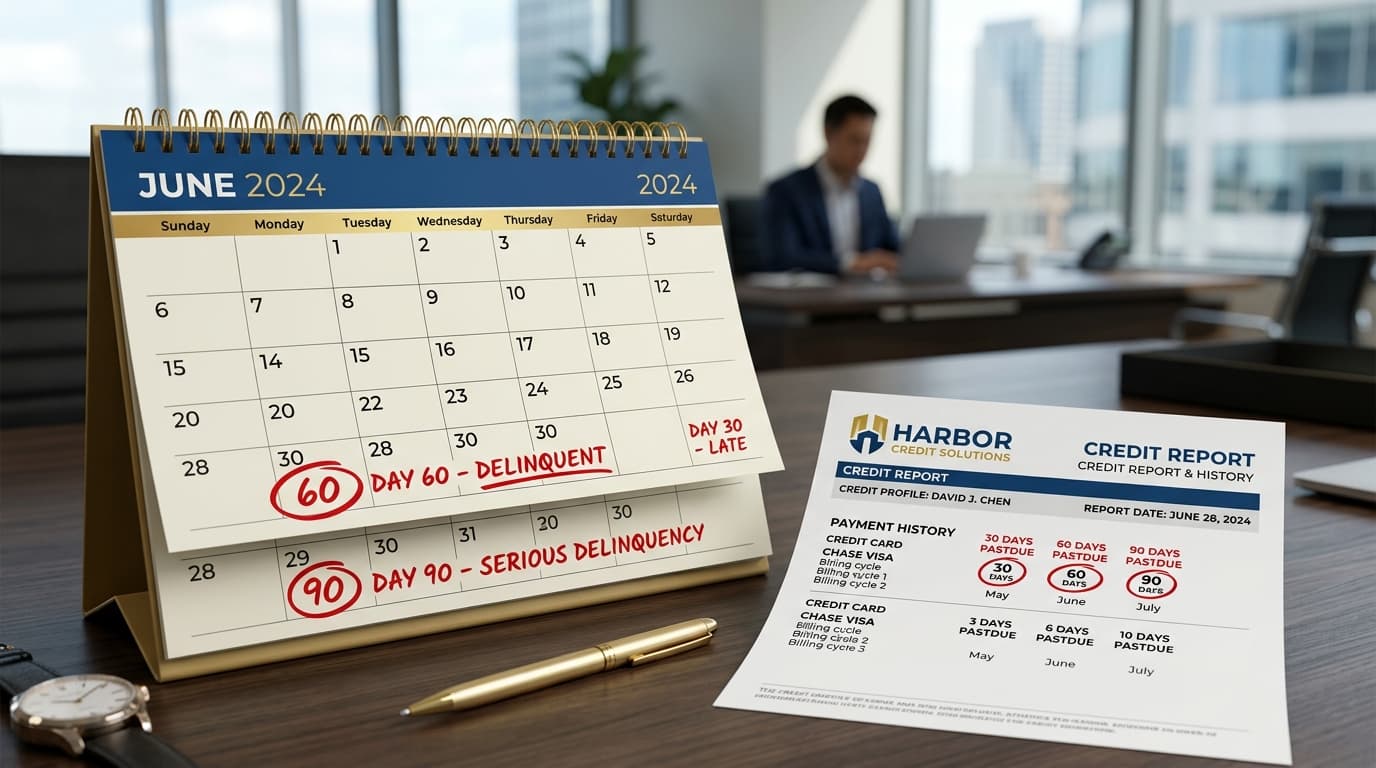
Missing a payment. This is the single worst thing you can do. A late payment on a credit builder loan — reported 30+ days late — goes directly onto your credit report as a negative mark. Since the whole point of the loan is to build positive payment history, a missed payment is catastrophically counterproductive. Set up autopay the day you open the account.
Opening too many accounts at once. Every application triggers a hard inquiry. If you're opening a credit builder loan, a secured card, and a new bank account all in the same week, the inquiries alone can temporarily ding your score. Space things out by at least 30 days.
Closing the account early. Closing a credit builder loan before the term ends typically forfeits part of your savings and shortens your average account age. Unless you have a specific reason, let it run to completion.
Expecting it to fix everything. A credit builder loan won't remove a collection account. It won't erase late payments. If you have negative items dragging your score down, you need a strategy that addresses those directly — and a credit builder loan is just one piece of the puzzle.
Who Should Use a Credit Builder Loan
Credit builder loans make the most sense for:
- People with no credit history at all — recent college graduates, immigrants, anyone who has avoided credit their whole life
- People rebuilding after bankruptcy or major negative events — once the bankruptcy is discharged, you need to start adding positive accounts, and a credit builder loan is one of the lowest-risk ways to do that
- People who don't qualify for a traditional credit card or personal loan
- People who want a forced savings habit — the loan term teaches monthly payment discipline and you get a lump sum back at the end
Credit builder loans are less useful if:
- Your main credit problem is multiple collections, charge-offs, or late payments that are actively hurting your score — those need to be addressed directly through disputing, debt validation, or negotiation
- You already have established accounts with solid payment history — adding one more small installment account won't move the needle much
How Credit Builder Loans Fit Into a Bigger Credit Repair Strategy
If you're serious about repairing your credit — not just building it from zero, but actually fixing what's broken — a credit builder loan is one tool in a toolbox, not the whole solution.
A comprehensive credit repair strategy typically includes:
- Pulling and reviewing all three credit reports — free at annualcreditreport.com — and identifying every negative item
- Disputing inaccurate, unverifiable, or outdated items with the bureaus under your FCRA rights
- Addressing legitimate negative items through debt validation, pay-for-delete negotiations, or goodwill requests
- Adding positive accounts — this is where the credit builder loan comes in, alongside secured cards and authorized user tradelines
- Maintaining low utilization on any revolving accounts you have open
Steps 1-3 are the most impactful for someone with significant negative history. Skipping to step 4 without addressing the negatives is like putting fresh paint over water damage — it might look okay briefly, but the underlying problem remains.
This is exactly why many people who try to DIY their credit repair plateau. They open a secured card, keep up with payments, and wonder why their score barely moved. The answer is usually that the negative items are canceling out all the positive work.
If you've been spinning your wheels trying to improve your credit and not seeing results, it may be time to bring in professionals who know how to work the system. The team at Crowned Credit uses FCRA-backed dispute strategies to challenge negative items while helping you build a stronger credit profile from the ground up. Check our service plans to see what fits your situation.
A Note on Rent Reporting (the Underused Companion Strategy)
While you're building credit with a credit builder loan, there's another move that many people completely overlook: getting your rent payments reported to the credit bureaus.
Most rental payments don't automatically show up on your credit report. But services like Experian Boost, Rental Kharma, RentRedi, and Boom allow you to report your monthly rent to one or more bureaus. For someone who's been paying $1,200/month in rent on time for the last two years, that's 24 months of positive payment history that could be added to their report right now.
Combined with a credit builder loan, this strategy can accelerate credit score improvement significantly for people who rent. It's worth looking into — and costs very little compared to the potential upside.
The Bottom Line
A credit builder loan is a legitimate, low-risk way to establish credit history for people starting from scratch or rebuilding after setbacks. The cost is modest — usually under $100 in total interest for a 12-month loan — and the benefit is real: consistent payment history reported to the bureaus every month.
But it's not magic. If you have collections, charge-offs, or late payments bringing your score down, a credit builder loan alone won't fix that. You need a strategy that attacks the negatives while you build the positives simultaneously.
The people who see the biggest improvements are the ones who treat credit repair as a system, not a single move. A credit builder loan is a solid piece of that system — just don't expect it to do all the work by itself.
Ready to stop guessing and start fixing? Crowned Credit helps clients build a full credit strategy — disputes, tradelines, and a roadmap to the score you actually need. Book a free consultation and find out exactly where you stand and what it would take to get where you want to go. You can also call us directly at 336-310-0090.