Credit Repair vs Bankruptcy: Which Option Should You Choose?

Ashley Rivera
Credit Repair Specialist
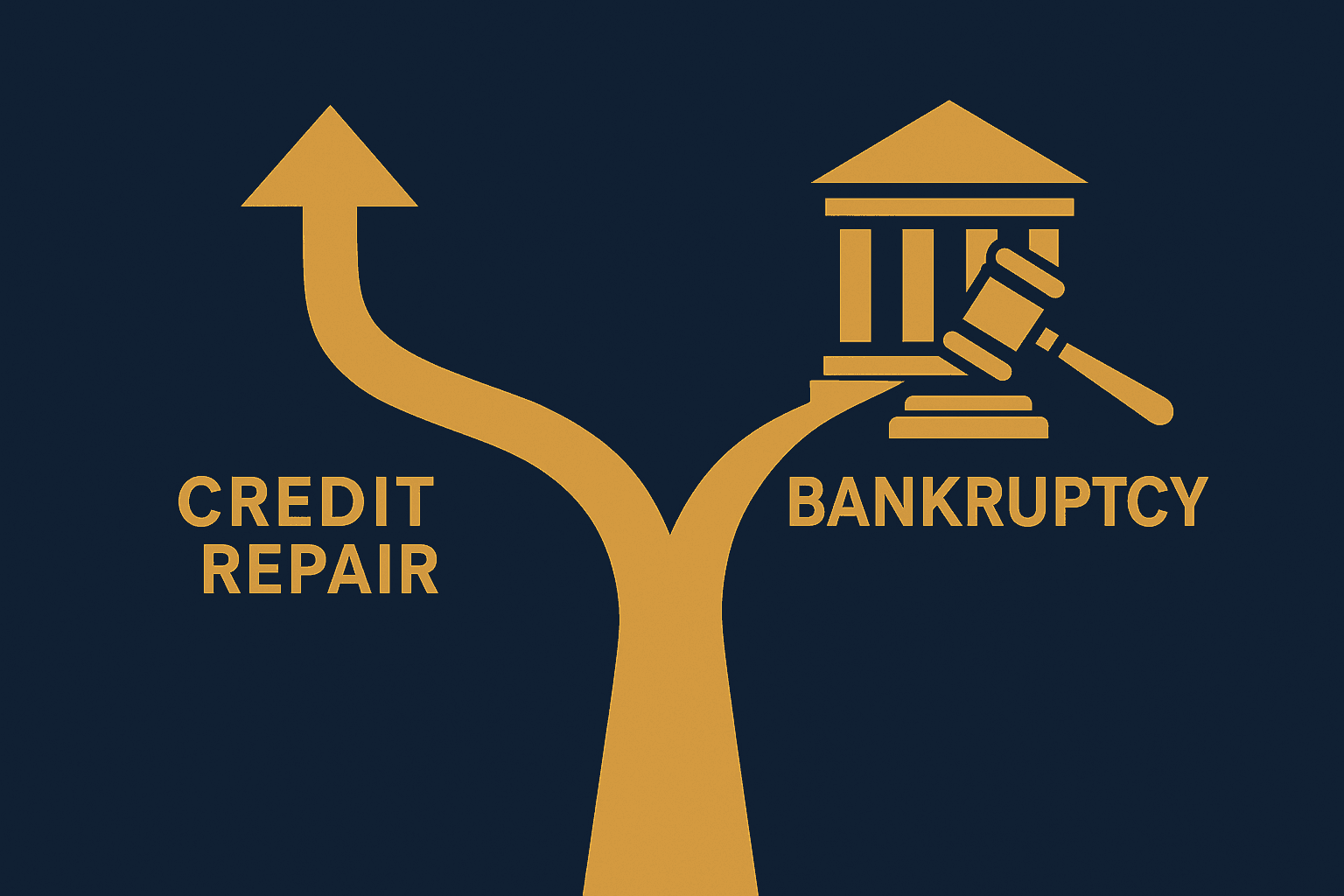
If you're dealing with mounting debt and a credit score that keeps dropping, you've probably asked yourself: should I try credit repair or just file for bankruptcy? It's one of the most important financial decisions you'll ever make — and getting it wrong can set you back for years.
The truth is, credit repair vs bankruptcy isn't always an either-or choice. Each option serves a different purpose, and the right answer depends on your specific situation. In this guide, we'll walk you through everything you need to know so you can make a confident, informed decision.
What Is Credit Repair?
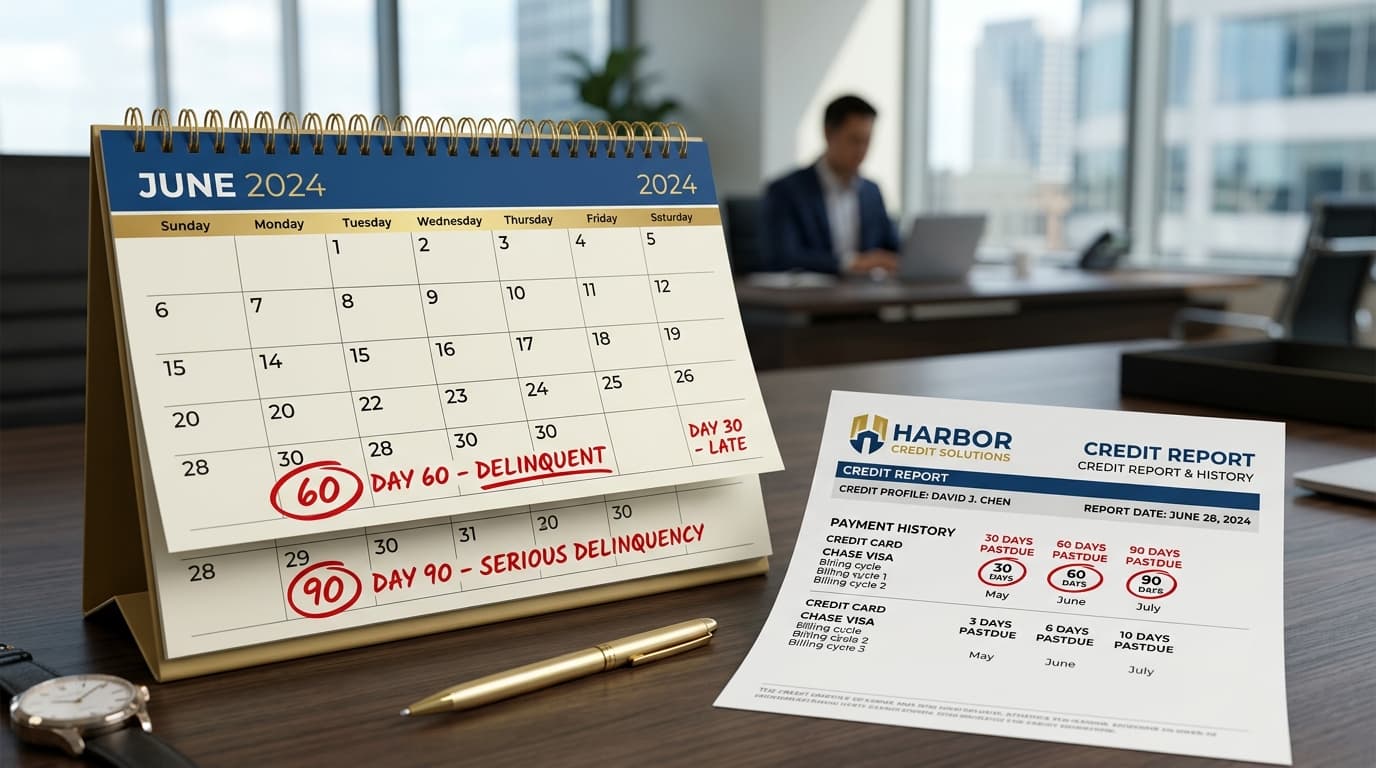
Credit repair is the process of identifying and disputing inaccurate, unfair, or unverifiable information on your credit reports. Under the Fair Credit Reporting Act (FCRA), you have the legal right to challenge any item on your report that doesn't meet strict reporting standards.
Credit repair can address issues like:
- Late payments that were reported incorrectly
- Collections accounts that don't belong to you
- Duplicate accounts inflating your debt
- Outdated negative items that should have fallen off
- Inaccurate balances or account statuses
A professional credit repair company works on your behalf to communicate with the credit bureaus (Equifax, Experian, and TransUnion) and data furnishers to get these errors corrected or removed. When successful, your credit score improves — sometimes significantly.
How Long Does Credit Repair Take?
Most people begin seeing results within 30 to 90 days, though a full credit repair process can take anywhere from three to six months depending on the complexity of your situation. Unlike bankruptcy, credit repair works to improve your score rather than reset your financial record.
What Is Bankruptcy?
Bankruptcy is a legal proceeding where a court declares that you're unable to repay your debts. There are two main types for individuals:
Chapter 7 Bankruptcy
Often called "liquidation" bankruptcy, Chapter 7 wipes out most unsecured debts (credit cards, medical bills, personal loans). In exchange, the court may sell certain assets to pay creditors. The process typically takes three to six months, but the bankruptcy stays on your credit report for 10 years.
Chapter 13 Bankruptcy
Chapter 13 creates a court-supervised repayment plan lasting three to five years. You keep your assets but commit to paying back a portion of your debts. This filing remains on your credit report for 7 years.
Credit Repair vs Bankruptcy: Key Differences
Understanding the differences between credit repair and filing bankruptcy is critical before you commit to either path.
- Credit impact: Credit repair improves your score over time. Bankruptcy drops your score 150-240 points immediately.
- Time on record: Credit repair removes negative items permanently. Bankruptcy stays on your report 7-10 years.
- Cost: Credit repair involves affordable monthly service fees. Bankruptcy costs $1,500-$4,000+ in attorney and court fees.
- Debt elimination: Credit repair fixes reporting errors but doesn't erase debt. Bankruptcy legally discharges qualifying debts.
- Asset risk: Credit repair poses no risk to your property. Chapter 7 may require liquidating assets.
- Public record: Credit repair is a private process. Bankruptcy is a public court record.
Pros and Cons of Credit Repair
Pros
- Protects your credit long-term. Instead of adding a devastating mark to your record, credit repair removes negative items and builds your score upward.
- No legal proceedings. Everything happens between you (or your credit repair company), the bureaus, and the data furnishers.
- Affordable. Professional credit repair services are a fraction of the cost of bankruptcy attorneys. View Crowned Credit's plans to see how accessible it can be.
- Keeps your options open. You won't face restrictions on future borrowing, housing applications, or employment screenings.
Cons
- Doesn't eliminate debt. Credit repair fixes your reports, but you still owe what you owe.
- Takes consistent effort. Results build over time — it's not an overnight fix.
- Not effective for legitimate debts. If every item on your report is accurate, credit repair has limited impact on those specific entries.
Pros and Cons of Bankruptcy
Pros
- Immediate relief from creditors. An automatic stay halts collections, lawsuits, wage garnishments, and foreclosure proceedings.
- Debt discharge. Chapter 7 can wipe out qualifying unsecured debts entirely.
- Fresh start for extreme situations. When debt is truly insurmountable, bankruptcy provides a legal path forward.
Cons
- Severe credit damage. Bankruptcy can drop your score by 150 to 240 points and stays on your report for up to a decade.
- Public record. Anyone can look up your bankruptcy filing — potential landlords, employers, and lenders included.
- Expensive upfront. Between attorney fees, court costs, and mandatory credit counseling, filing bankruptcy often costs $2,000 to $4,000 or more.
- Limited future borrowing. Getting approved for mortgages, auto loans, or credit cards becomes significantly harder for years after filing.
- Doesn't cover everything. Student loans, tax debts, child support, and alimony typically survive bankruptcy.
When Should You Choose Credit Repair?
Credit repair is usually the better choice when:
- Your credit report contains errors or inaccuracies. Studies show that 1 in 5 consumers has an error on at least one credit report. These mistakes could be dragging your score down unfairly.
- You can manage your current debt payments. If you're not drowning in debt but your credit score doesn't reflect your true financial standing, credit repair addresses the root problem.
- You need better credit within 6-12 months. Planning to buy a home, finance a car, or qualify for better interest rates? Credit repair can produce meaningful results much faster than waiting for a bankruptcy to age off your record.
- You want to avoid long-term consequences. Bankruptcy or credit repair — the long-term impact is dramatically different. Credit repair builds you up. Bankruptcy tears things down before slowly rebuilding.
When Might Bankruptcy Make Sense?
Bankruptcy could be the right path when:
- Your debt is truly unmanageable. If you owe significantly more than you earn annually and there's no realistic path to repayment, bankruptcy offers legal protection.
- You're facing lawsuits or wage garnishment. The automatic stay in bankruptcy can provide immediate relief from aggressive creditors.
- You've exhausted every other option. Bankruptcy should be a last resort, not a first response. Before filing, explore credit repair, debt consolidation, and negotiation.
Why Not Both? Start with Credit Repair
Here's what many people don't realize: even if you're considering bankruptcy down the road, starting with credit repair is almost always the smarter first step. Why?
- You might not need bankruptcy at all. Once inaccurate items are removed and your score improves, you may qualify for better refinancing options or consolidation programs that make your debt manageable.
- Credit repair costs less. If credit repair solves your problem, you've saved thousands in legal fees.
- No permanent damage. Unlike bankruptcy, credit repair has zero downside — you're simply exercising your legal rights under the FCRA.
How Crowned Credit Can Help
At Crowned Credit, we specialize in helping people take control of their credit without resorting to drastic measures like bankruptcy. Our team disputes inaccurate and unfair items on your credit reports, works directly with the bureaus and creditors, and keeps you informed every step of the way.
We've helped thousands of clients improve their scores, qualify for better loans, and avoid the long-term consequences of bankruptcy. Whether you're dealing with collections, charge-offs, late payments, or other negative marks, we have the expertise to fight for the credit score you deserve.
Don't let bad credit push you toward bankruptcy before exploring every option. Credit repair could be the solution that saves your financial future — and it starts with a simple step.
👉 Get started with Crowned Credit today and find out how we can help you rebuild your credit the right way.
## Further reading - [Is credit repair worth it?](/blog/is-credit-repair-worth-it) - [Start your credit repair today](/get-started) - [Explore our plans](/pricing)