Credit Privacy Numbers (CPNs): Why They're Illegal and What to Do Instead in 2026

Ashley Rivera
Credit Repair Specialist

What Is a Credit Privacy Number (CPN)?
A Credit Privacy Number is a nine-digit number formatted exactly like a Social Security Number. Scammers sell CPNs claiming you can use them instead of your SSN to:
- Apply for credit cards and loans
- Hide a bankruptcy or foreclosure
- Escape bad credit history
- Create a "second credit identity"
- Protect your privacy when applying for credit
Here's the problem: CPNs are not issued by any government agency. They're made up. In most cases, they're stolen Social Security Numbers — often from children, deceased individuals, or inmates who won't immediately notice the theft.
The Federal Trade Commission, IRS, and Social Security Administration have all issued warnings: CPNs are not legal identification numbers, and using one on a credit application is fraud.
How the CPN Scam Works
The pitch usually sounds like this:
- "Buy a CPN for $200-$2,000 and start fresh"
- "Legally create a new credit identity"
- "Banks can't tell the difference — it's completely legal"
- "Thousands of people do this every day"
- "It's a loophole the credit bureaus don't want you to know about"
Some scammers bundle CPNs with "credit repair" packages. Others sell them directly on social media, TikTok, Instagram, or through shady websites. The sales pitch always makes it sound legitimate, often referencing privacy laws or legal gray areas.
After you buy the CPN, the scammer tells you to use it on credit applications in place of your SSN. They might even provide fake documents to "verify" the number, like a fabricated Social Security card or credit report.
Here's what they don't tell you: the moment you use a CPN to apply for credit, you've committed federal fraud.
Why CPNs Are Illegal
Using a CPN to apply for credit or misrepresent your identity violates several federal laws:
1. Title 18 U.S. Code § 1028 — Identity Fraud
Knowingly using a false identification document or someone else's identification without authorization is a federal crime. Using a CPN that's actually someone else's stolen SSN — which most are — is textbook identity theft.
Penalty: Up to 15 years in federal prison, plus fines.
2. Title 18 U.S. Code § 1343 — Wire Fraud
Submitting a credit application online or over the phone using false information constitutes wire fraud. Even if the CPN isn't a stolen SSN, lying about your identity to obtain credit is illegal.
Penalty: Up to 20 years in federal prison, plus fines.
3. Title 42 U.S. Code § 408 — Social Security Number Misuse
Falsely representing a number as your Social Security Number to obtain something of value (like credit) is a federal offense.
Penalty: Up to 5 years in federal prison, plus fines up to $250,000.
The Department of Justice has prosecuted hundreds of CPN cases. In 2024 alone, multiple defendants were sentenced to multi-year prison terms for CPN schemes. This isn't a victimless crime or a technical violation — prosecutors take this seriously.
What Actually Happens When You Use a CPN
Let's say you buy a CPN and use it to apply for a credit card. Here's what happens next:
Short-Term: It Might Work (At First)
You might get approved. The bank runs a credit check on the CPN, sees no history (or someone else's clean history), and issues you a card or loan. You think it worked.
But credit bureaus and lenders have sophisticated fraud detection systems. They cross-reference your name, address, phone number, email, and IP address against billions of data points. Inconsistencies trigger red flags.
Medium-Term: The System Catches You
- Credit bureaus merge your files. Eventually, the bureau realizes the CPN and your real SSN belong to the same person. They merge the accounts, and suddenly your old credit history is back.
- The real owner of the SSN files a fraud claim. If the CPN is a stolen SSN, the victim eventually finds out and reports identity theft. Law enforcement gets involved.
- The creditor demands immediate repayment. Once fraud is detected, lenders cancel your account and demand full repayment. No payment plan. No negotiation.
- You get prosecuted. Banks report fraud to law enforcement. Federal prosecutors investigate. You receive a criminal complaint.
Long-Term: Criminal Record and Financial Ruin
You now face:
- Federal criminal charges
- Years in prison if convicted
- Massive fines and restitution payments
- A permanent criminal record that makes it nearly impossible to get a job, rent an apartment, or rebuild your life
- Loss of professional licenses (if you have any)
- Your credit score destroyed even worse than before
All because you trusted someone who promised an easy fix.
CPNs vs. Real Government-Issued Numbers
Some people confuse CPNs with legitimate identification numbers. Here's the difference:
| Number Type | Issued By | Purpose | Legal for Credit? |
|---|---|---|---|
| Social Security Number (SSN) | Social Security Administration | Tax reporting, employment, benefits | Yes — required |
| Employer Identification Number (EIN) | IRS | Business tax ID | Only for business credit |
| Individual Taxpayer Identification Number (ITIN) | IRS | Tax filing for non-citizens | Limited use, not for credit building |
| Credit Privacy Number (CPN) | Nobody — it's fake | Scam to commit fraud | NO — illegal |
If someone tries to sell you a CPN and claims it's "just like an EIN or ITIN," they're lying. CPNs are not recognized by any federal agency.
Red Flags: How to Spot a CPN Scam
Watch for these warning signs:
- "Create a new credit identity" — There is no legal way to do this. You have one credit identity tied to your SSN.
- "Hide bankruptcy or foreclosure" — Legitimate credit repair disputes inaccurate information. It doesn't erase accurate public records.
- "Use this number instead of your SSN" — Your SSN is legally required on credit applications. Period.
- "This is a legal loophole" — It's not. It's fraud.
- "Thousands of people do this" — And hundreds are in federal prison because of it.
- "You'll never get caught" — You will. Credit bureaus have decades of data and AI-powered fraud detection.
- Upfront payment for a "CPN package" — Legitimate credit repair companies don't charge you for fake numbers.
If a "credit repair expert" offers to sell you a CPN, report them to the FTC immediately.
What to Do Instead: Legitimate Ways to Rebuild Credit in 2026
You don't need a CPN. You need a real plan. Here's what actually works:
1. Dispute Inaccurate Information
Under the Fair Credit Reporting Act (FCRA), you have the right to dispute any inaccurate, incomplete, or unverifiable information on your credit report. This includes:
- Accounts that don't belong to you
- Incorrect balances or payment history
- Duplicate accounts
- Debts beyond the statute of limitations
- Information the creditor can't verify
Credit repair companies like Crowned Credit specialize in this process. We review your credit reports, identify errors, and submit disputes on your behalf. This is 100% legal and effective.
2. Negotiate Pay-for-Delete Agreements
If you have collections or charge-offs, you can sometimes negotiate with creditors to remove the negative item in exchange for payment. Not every creditor agrees, but when they do, it can significantly improve your score.
Read more: Pay-for-Delete Letter Guide
3. Add Positive Payment History
- Secured credit cards: Put down a deposit, use the card responsibly, and build positive history.
- Credit builder loans: Small installment loans designed specifically to build credit.
- Authorized user accounts: Someone with good credit adds you to their account. Their positive history can help your score.
- Rent reporting: Services that report your rent payments to credit bureaus can add positive tradelines.
Read more: Authorized User Tradelines Guide
4. Reduce Credit Utilization
Pay down credit card balances below 30% of your credit limit — ideally below 10%. This is one of the fastest ways to boost your score.
Read more: Credit Utilization Guide
5. Work with a Licensed Credit Repair Company
Professional credit repair isn't a scam when done legally. We don't sell CPNs. We don't promise overnight miracles. We do the hard work of reviewing your reports, identifying issues, disputing errors, and helping you build a strategy for long-term credit health.
At Crowned Credit, we've helped thousands of clients improve their credit scores using 100% legal methods. Our process:
- Pull all three credit reports and review them line by line
- Identify inaccurate, incomplete, or unverifiable items
- Submit disputes to credit bureaus and creditors
- Track results and follow up until issues are resolved
- Provide ongoing education and support
Pricing:
- Essential Plan: $150 setup + $99/month
- Accelerated Plan: $249 setup + $199/month (most popular)
- Momentum Plan: custom quote, one-time payment
Schedule a free consultation or call 336-310-0090 to talk to a credit specialist.
6. Be Patient and Consistent
Rebuilding credit takes time. Depending on the severity of your issues, you could see improvement in 3-6 months or it might take 12-24 months. There's no instant fix — anyone who promises one is lying.
Consistency is everything. Pay on time, keep balances low, dispute errors, and don't open unnecessary accounts. That's the formula.
What If You've Already Used a CPN?
If you've already purchased or used a CPN, here's what to do immediately:
1. Stop Using It Right Now
Don't apply for any more credit using the CPN. Don't make purchases. Stop.
2. Consult a Criminal Defense Attorney
You may have committed a federal crime without realizing the seriousness. A lawyer can advise you on next steps and whether you should self-report.
3. Monitor Your Credit Reports
Check all three credit bureaus (Equifax, Experian, TransUnion) to see if accounts opened with the CPN have merged with your real file. Dispute any fraudulent accounts immediately.
4. Report the Scammer
File a complaint with:
- Federal Trade Commission: https://reportfraud.ftc.gov
- FBI Internet Crime Complaint Center: https://www.ic3.gov
- State Attorney General's Office: Check your state's consumer protection division
5. Start Legitimate Credit Repair
Once you've stopped the bleeding, start rebuilding the right way. A legitimate credit repair company can help you recover without breaking the law.
Bottom Line: CPNs Are Never Worth the Risk
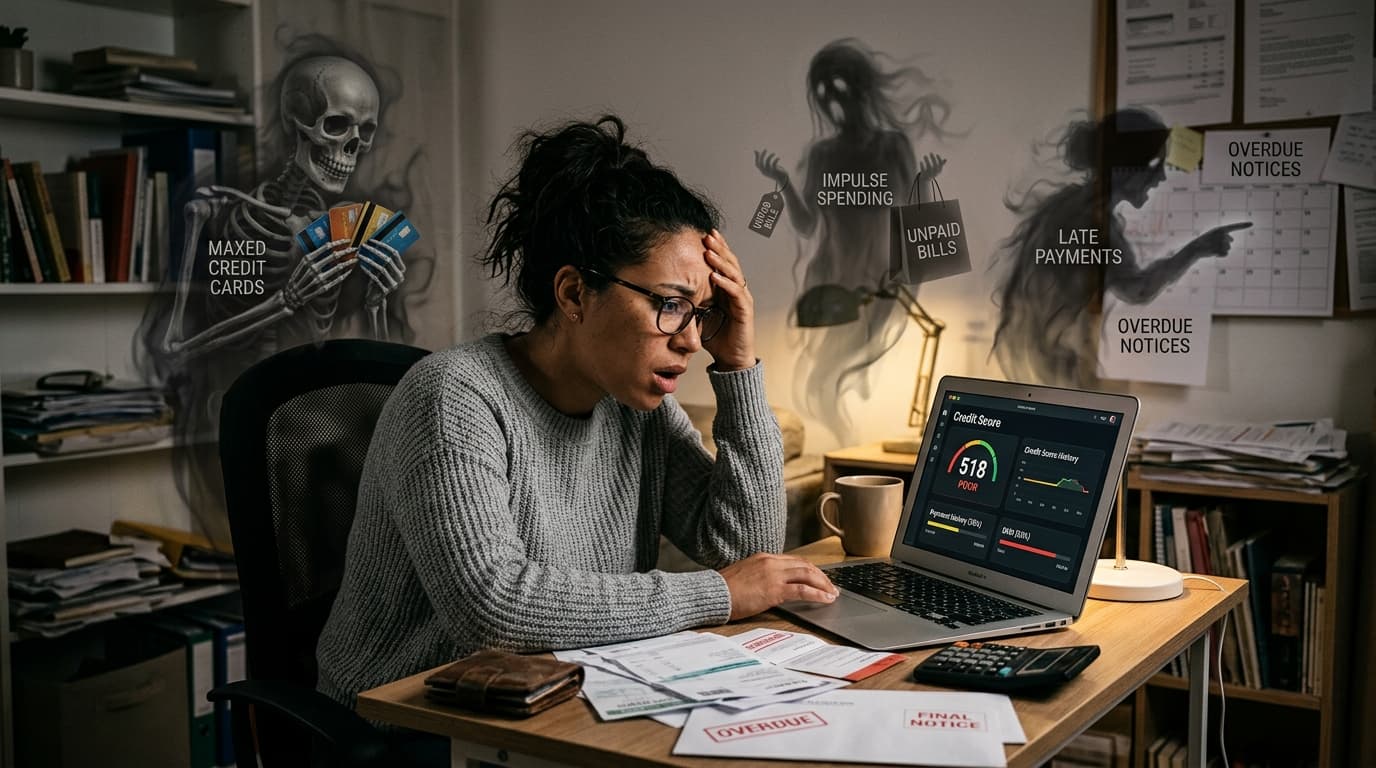
I get it. Bad credit is stressful. It blocks you from getting a car, a house, sometimes even a job. When someone promises a quick fix, it's tempting to believe them.
But CPNs aren't a quick fix. They're a trap.
You'll end up with a criminal record, destroyed credit, and thousands in legal fees. The scammer who sold you the CPN? They'll be gone, spending your money while you deal with the consequences.
Rebuilding credit the right way takes longer, but it's the only path that actually works. Dispute errors. Add positive accounts. Pay down balances. Work with a licensed credit repair company if you need help. Do it legally.
Your credit can improve. But it has to be done the right way.
If you're serious about fixing your credit without risking federal prison, schedule a free consultation with Crowned Credit. We'll review your credit report, explain what we can do, and give you a real plan — no scams, no CPNs, no illegal shortcuts.
Call us at 336-310-0090 or book your consultation online.
Legal Disclaimer: This article is for educational purposes only and does not constitute legal advice. Credit repair results vary by individual. Crowned Credit cannot guarantee specific credit score improvements or removal of accurate information. Any inaccurate, incomplete, or unverifiable information can be disputed under the Fair Credit Reporting Act. Timeline and results depend on individual credit situations and creditor cooperation.