What Credit Score Do You Need for a HELOC in 2026?

Ashley Rivera
Credit Repair Specialist
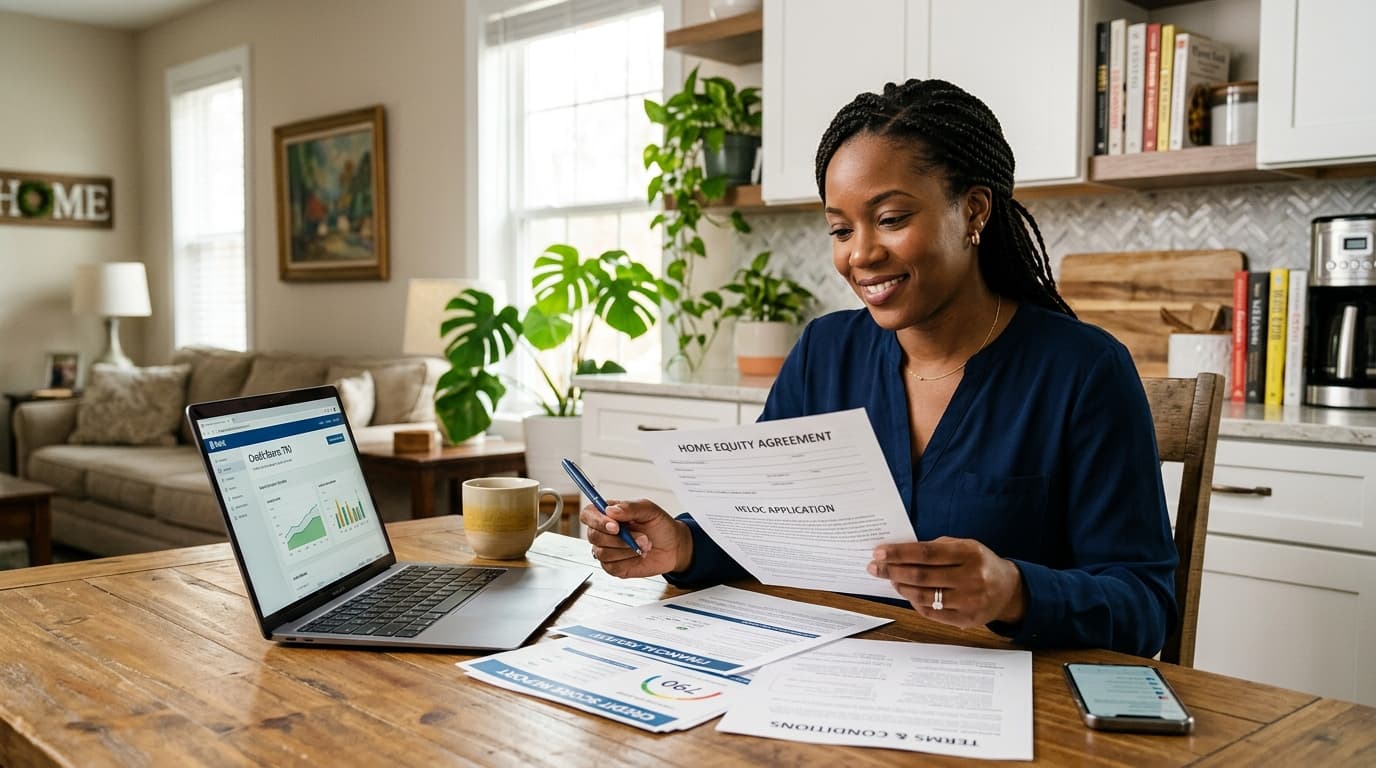
If you are trying to figure out what credit score you need for a HELOC in 2026, the practical answer is this: most borrowers should aim for at least 680, and many lenders reserve their better terms for applicants at 700 or higher.
A HELOC, or home equity line of credit, is not just another credit card. According to the Consumer Financial Protection Bureau, it is an open-end line of credit that lets you borrow repeatedly against the equity in your home. You are using your house as collateral, which is exactly why lenders can be picky.
If you are getting ready to tap your equity for renovations, debt payoff, or a cash buffer, this guide will walk you through the score ranges that matter, what else lenders are looking at, what can derail approval, and how to clean up your credit before you apply. If you want help fixing reporting problems before a lender pulls your file, book a consultation with Crowned Credit.
The quick answer: 680 is a solid target, 700+ usually puts you in a stronger spot
In 2026, this is the most useful way to think about HELOC credit scores:
- Below 640: HELOC approval gets much harder, and many mainstream lenders will not like the file.
- 640 to 679: possible with some lenders, but expect tougher underwriting and less attractive pricing if approval happens.
- 680 to 699: the range where many borrowers become realistic HELOC candidates.
- 700 to 739: stronger positioning, more lender options, and usually cleaner pricing.
- 740+: often the range where the file looks strongest for premium terms.
Experian has noted that many HELOC lenders look for a minimum score around 680, while some prefer 700 to 720+ for the most favorable offers. That lines up with what borrowers usually see in the real world. The score gets you in the conversation, but the full file determines whether the offer is actually good.
Why HELOC lenders care so much about credit
A HELOC is secured by your home, but that does not make lenders relaxed. Quite the opposite.
Because this is often a second lien behind your primary mortgage, lenders are evaluating whether you can manage another debt tied to the same property. They are not just asking, “Does this person own a house?” They are asking:
- Does this borrower pay on time consistently?
- Is the current mortgage already stretching the budget?
- Are the credit cards maxed out?
- Is there enough equity to make the deal worth the risk?
- Will this borrower still handle the payment if the rate adjusts upward?
The CFPB also warns that HELOCs usually carry a variable interest rate, which means payments can change from month to month. Some borrowers only focus on approval and forget the second half of the equation: if the payment rises later, can you still carry it comfortably?
What score do most lenders want for a HELOC in 2026?
If you want one clean number to work with, use 680 as your baseline. That is the number many lenders and credit education sources keep circling back to.
But the real answer is more nuanced:
- Some lenders may consider borrowers below 680 if the file is strong in other areas.
- Many lenders get more comfortable once you are in the high 600s.
- The best offers usually show up when your score is in the 700s and the rest of the file is clean.
That matters because approval is not the only goal. A borrower with a 682 score may get approved, but a borrower with a 732 score and lower debt can end up with a much more useful line of credit on better terms.
What your score range usually means
Under 640: a tough road
This is where HELOC options can get thin fast. If your score is this low, lenders may assume there is recent payment trouble, high utilization, unresolved derogatories, or too much overall stress in the file. Even if you own a home with equity, a HELOC may not be the first product a lender wants to extend.
At this stage, the smarter move is often to clean the file first, then apply once the report looks more stable.
640 to 679: possible, but expect friction
This range is not impossible, but it can be expensive. If you are here, you may still face:
- higher rates
- lower credit line limits
- stricter income and equity requirements
- more documentation requests from underwriting
Example: a homeowner with a 665 score, strong income, low card balances, and a lot of equity may still get a HELOC. A homeowner with the same score and two recent 30-day lates may not.
680 to 699: realistic approval territory
This is where HELOC conversations start becoming much more realistic. You are now in range for many lenders, especially if your mortgage payment history is solid and you are not overloaded with revolving debt.
That said, you may still be right on the edge between “approved” and “approved on terms you actually like.” If you can improve from 684 to 708 before you apply, that difference may show up in the offer.
700 to 739: strong working range
This is where HELOC files often look more comfortable to lenders. The score suggests stronger payment behavior, and the borrower may have more room on pricing and credit line size if the rest of the file supports it.
It does not mean the rest of your profile stops mattering. A 718 with maxed-out cards, a shaky debt-to-income ratio, and one recent mortgage late is still a stressed file. But this range usually gives you far better odds than fighting from the high 600s.
740 and above: usually your best position
Borrowers in this range typically have the strongest leverage. Rates may be better, underwriting may feel smoother, and the file may need less explaining. If you are already here, the goal is usually not a random score hack. It is protecting the profile while you shop.
Your HELOC lender may not care about the score you check on your phone
Depending on the lender, the score model used for a HELOC can differ from the consumer score you watch online. The lender may pull from one bureau or multiple bureaus, and the score they rely on may not match the number in your app.
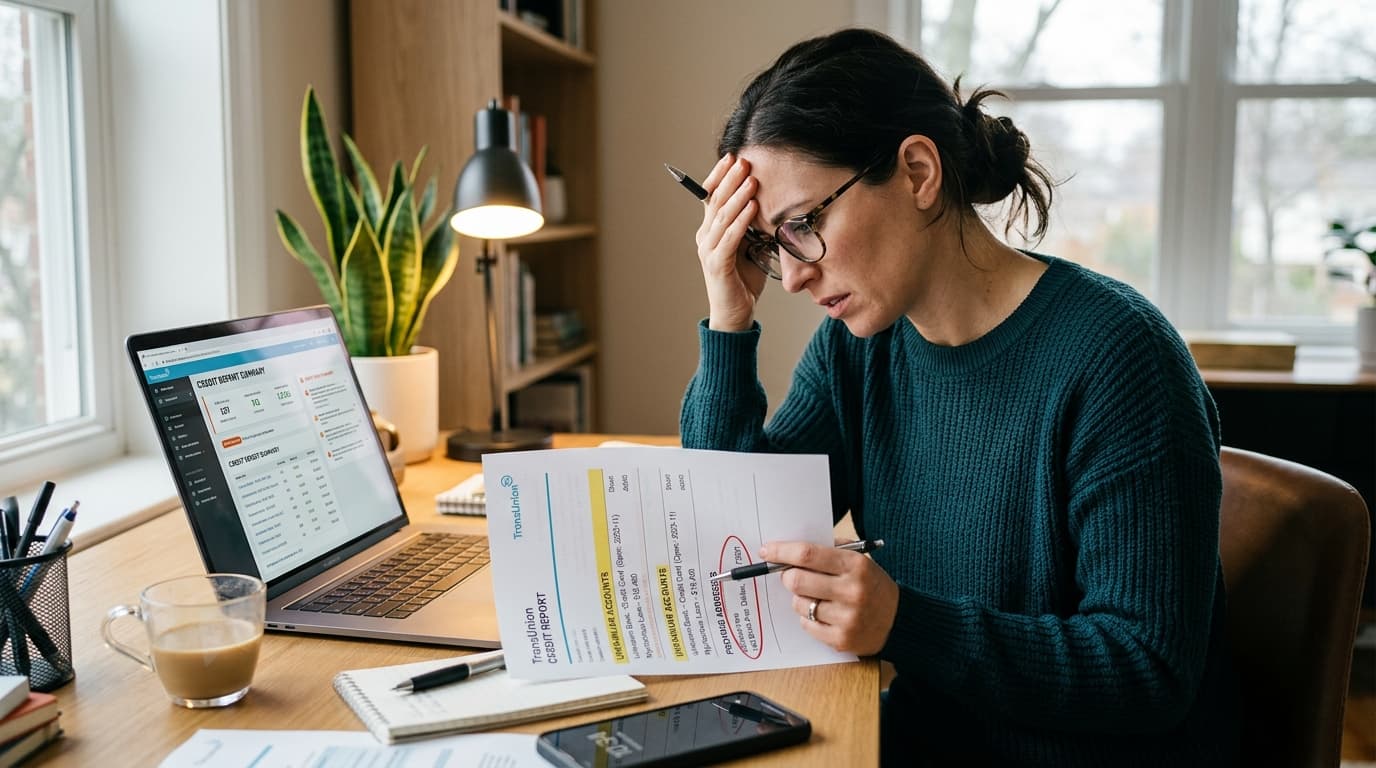
That is why it helps to review all three reports before you apply. If one bureau is carrying an extra collection, the wrong balance, or a stale late payment, the lender may see a weaker file than you expected. Before you apply, read how to read your credit report, how the three credit bureaus work, and why your mortgage score can look lower than Credit Karma.
What matters besides your credit score?
A HELOC approval is never just about the score. Lenders are underwriting the whole picture.
1. Home equity
This is a big one. A HELOC is tied to your available equity, so lenders want enough cushion in the property. If you bought recently with a thin down payment and home values in your area have not moved much, your score could be fine and the HELOC still may not work.
2. Debt-to-income ratio
If your current debts already eat up too much of your income, another line of credit can look risky. A borrower with a 690 score and modest obligations may be safer than a borrower with a 730 score who is already stretched. If this is the issue, start with our debt-to-income ratio guide.
3. Mortgage payment history
Recent mortgage lates can hit hard in HELOC underwriting. Since the new line is secured by the same home, lenders do not love seeing trouble on the first housing payment.
4. Credit card utilization
If your cards are reporting at 70%, 80%, or 90% utilization, your score may be lower than it should be. Paying down revolving balances before the next reporting cycle is often one of the fastest ways to improve a borderline file. Review how credit utilization works if you think this is hurting you.
5. Accuracy of negative items
Collections, charge-offs, duplicate accounts, mixed files, or incorrect late payments can drag down a HELOC application fast. Under the FCRA, credit reporting is supposed to be accurate and verifiable. If your report is wrong, you do not have to just sit there and absorb the damage. Learn more about credit report errors and your FCRA dispute rights.
Why HELOCs can be harder than people expect
Plenty of homeowners assume, “I have equity, so I should qualify.” Not always. A HELOC is different from a simple refinance conversation because lenders are looking at layered risk:
- the value of the home
- the balance of the first mortgage
- your income and monthly obligations
- your recent credit behavior
- the fact that HELOC payments can change if the rate adjusts
The CFPB specifically notes that some HELOCs can require significantly higher payments once the draw period ends and the repayment period begins. That payment shock is real. So when a lender pushes for stronger credit, part of what they are really saying is, “We want to see that you manage debt well before we add another variable-rate obligation to the property.”
How to improve your odds before applying for a HELOC
If you are close but not quite where you want to be, these are usually the best moves:
Pay down revolving balances first
This is the quickest lever for a lot of borrowers. If your score is depressed because your cards are reporting high balances, a paydown can materially improve the file without waiting months.
Fix reporting errors before the lender sees them
Wrong late payments, duplicate collections, outdated balances, and mixed-file issues can all hurt a HELOC application. If the reporting is inaccurate, challenge it before underwriting magnifies the problem. Read how credit disputes work and what happens after a dispute.
Do not open random new accounts
If you are preparing for a HELOC, this is not the moment to open two retail cards for a discount and finance furniture because the monthly payment looks small. New debt changes the math and can create fresh inquiries right before underwriting.
Review your mortgage readiness documents
Have your income documents, mortgage details, and property information organized. A messy application can make borderline credit feel even worse to an underwriter.
Give yourself a real timeline
If your score only needs a small utilization improvement, this might be a short runway. If you have multiple negative accounts across all three bureaus, expecting a clean HELOC approval in ten days is probably unrealistic.
When professional credit repair can make sense before a HELOC
If your score is already solid and your reports are clean, you may just need the right lender and a well-prepared application. But if your file is sitting in that frustrating middle zone where inaccurate negatives, high utilization, or stale derogatories keep costing you leverage, professional help can make sense.
This is especially true when you are not just trying to get approved, but trying to qualify well. A stronger HELOC file can mean a lower rate, a more useful line amount, and less friction during underwriting.
Crowned Credit helps clients challenge negative items strategically, review what is actually depressing the file, and build toward cleaner financing options. Our pricing is straightforward:
- Essential: $150 enrollment + $99/month
- Accelerated: $249 enrollment + $199/month
- Momentum: custom quote, one-time
You can compare those options on our pricing page. If you want help before you apply, book a consultation or call 336-310-0090.
Bottom line
If you are asking what credit score you need for a HELOC in 2026, 680 is the practical baseline most borrowers should know, while 700+ usually puts you in a stronger position for better terms.
But the score by itself never tells the whole story. Lenders also care about your equity, your debt-to-income ratio, your mortgage history, your card balances, and whether your report is actually accurate. That is why two homeowners with the same score can get very different HELOC outcomes.
If your file needs work before you apply, start there. Clean up avoidable damage, fix reporting problems, lower utilization, and do not let a lender be the first one to tell you what is wrong with your credit. If you want help getting that done, book a consultation with Crowned Credit.
Disclaimer: Credit results vary from person to person. No credit repair company can legally guarantee a specific score increase, HELOC approval, credit limit, interest rate, or timeline. Crowned Credit operates in compliance with CROA and applicable federal and state law.