Credit Monitoring Services: Free vs Paid – What's Actually Worth It in 2026?

Ashley Rivera
Credit Repair Specialist

You check your email one morning and see an alert: "New hard inquiry on your credit report." Problem is, you didn't apply for anything.
That's the moment credit monitoring pays for itself.
With identity theft hitting 2.8 million reports last year and fraud losses exceeding $5.8 billion according to the FTC, knowing what's happening with your credit isn't optional anymore. But do you need to pay $20-40/month for monitoring, or are the free options good enough?
Here's what actually matters—and what's just marketing noise.
What Is Credit Monitoring (And Why You Actually Need It)
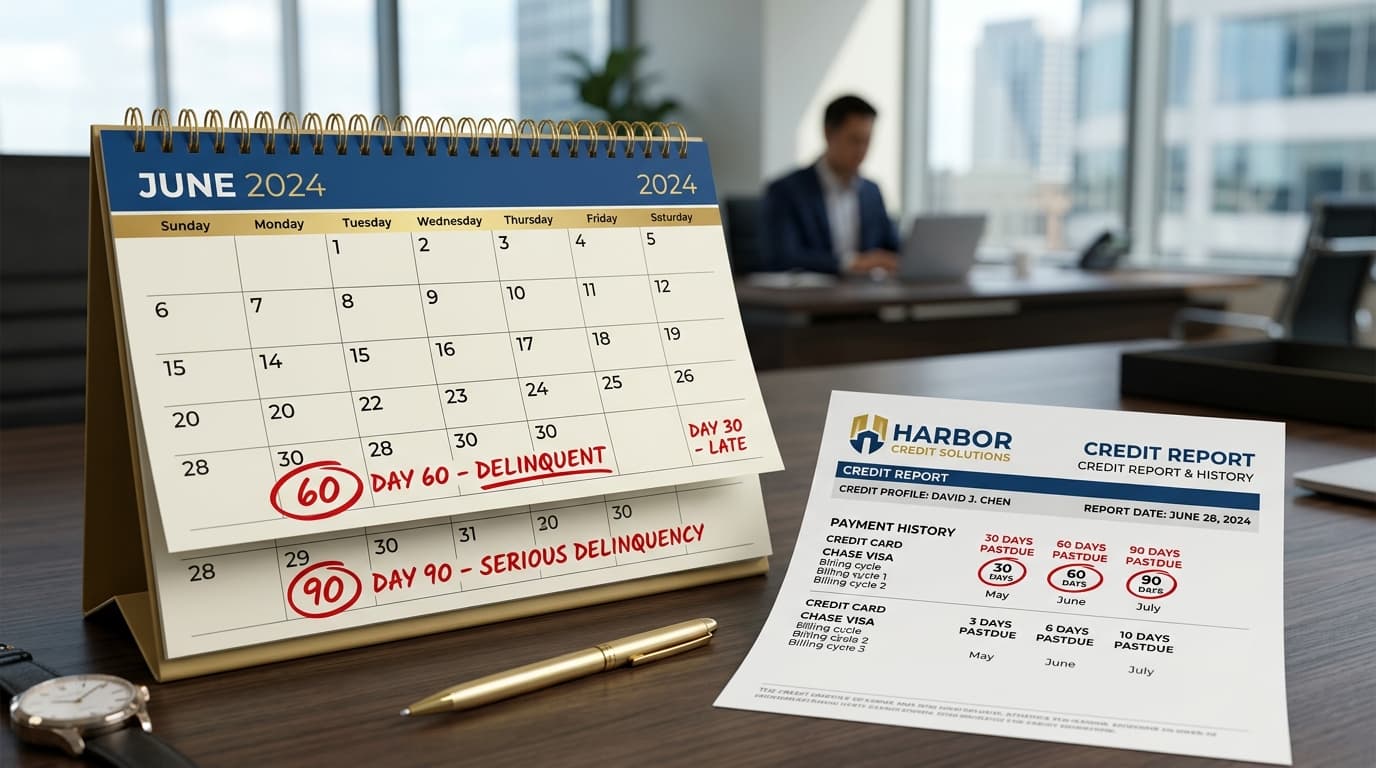
Credit monitoring services track your credit reports and alert you when something changes: new accounts, hard inquiries, address updates, late payments, collections—basically anything that could signal fraud or hurt your score.
Think of it like a security camera for your credit file.
The key difference between services comes down to three things:
- How many bureaus they monitor (Experian, Equifax, TransUnion—or just one or two)
- How fast you get alerts (real-time vs daily vs weekly)
- What they do beyond monitoring (score access, identity theft insurance, credit lock features, dark web scans)
The Free Options (And Their Real Limitations)
Free credit monitoring sounds great. And some services genuinely deliver value—but there's always a catch.
Credit Karma
Credit Karma monitors Equifax and TransUnion. You get weekly score updates, basic alerts, and access to your reports. It's funded by credit card and loan recommendations (which means ads—lots of them).
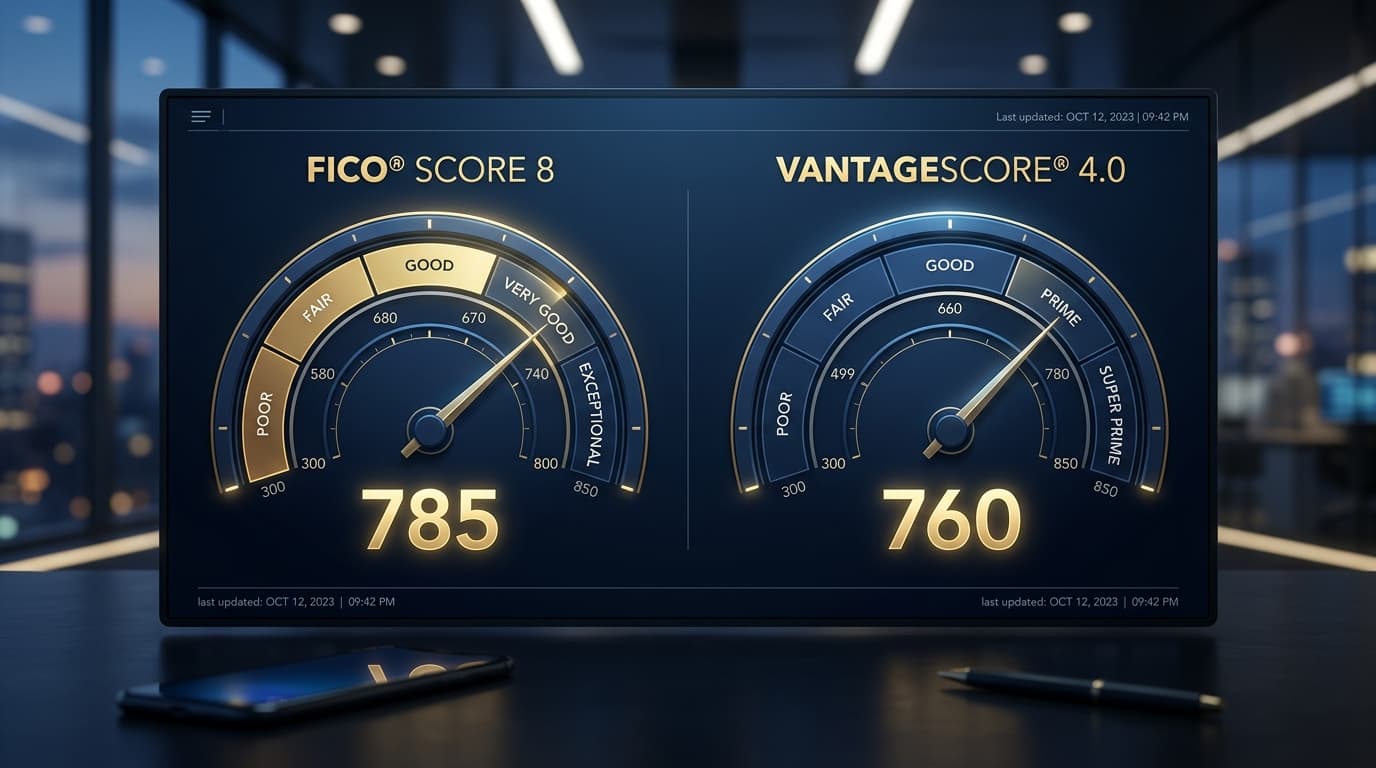
What's missing: No Experian monitoring. No real-time alerts. No credit lock feature. And here's the big one: Credit Karma shows VantageScore 3.0, not the FICO scores most lenders actually use.
Credit Sesame
Similar model to Credit Karma. Free monitoring from TransUnion, monthly score updates, educational content. Also ad-supported.
What's missing: Only one bureau. Slower alerts. Limited identity theft features. VantageScore instead of FICO.
Experian Free Membership
You get your Experian credit report, monthly FICO score updates, and basic monitoring from one bureau. This is one of the better free options because it's a real FICO score.
What's missing: Only Experian. You won't catch fraud if it happens at Equifax or TransUnion first. No comprehensive identity protection.
Chase Credit Journey, Discover Credit Scorecard
If you're already a customer, these banks offer free credit scores and basic monitoring as a perk. Chase shows TransUnion VantageScore; Discover shows Experian FICO.
What's missing: Single-bureau monitoring. Not comprehensive enough for serious credit repair or fraud protection.
The Paid Services (When They're Actually Worth It)
Paid credit monitoring isn't about paying for alerts—you're paying for speed, coverage, and protection when things go wrong.
What You Get With Paid Services
- Three-bureau monitoring: Most fraud doesn't hit all three bureaus at once. Criminals test one bureau first. If you're only watching one or two, you might miss it until it's too late.
- Real-time alerts: Minutes, not hours or days. That's the difference between catching a fraudulent account application before it's approved vs dealing with collections six months later.
- FICO scores (usually): Not VantageScore. You see what lenders see.
- Credit lock/freeze tools: One-click credit freezing across bureaus. Some services let you lock and unlock your Experian file instantly through their app.
- Identity theft insurance: Up to $1 million in coverage for recovery costs (legal fees, lost wages, etc.) if you're a victim. Free services don't include this.
- Dark web monitoring: Scans hacker forums and data breach dumps for your personal info (email, SSN, financial accounts).
- Credit improvement tools: Personalized recommendations to raise your score—not just monitoring, but action plans.
Top Paid Options (And What They Cost)
Aura ($15-25/month): Three-bureau monitoring on all plans. Fast alerts. Clean interface. Comprehensive identity protection bundle. 14-day free trial. Good middle ground between cost and features.
LifeLock by Norton ($11-35/month): Well-known brand. Similar features to Aura but more expensive for the same level of coverage. Integrates with Norton security if you're already using their antivirus.
IdentityForce ($10-30/month): Uses IBM Watson AI for threat detection. Strong dark web monitoring. Slightly cheaper entry-level plan around $7/month, but less comprehensive feature set.
Experian IdentityWorks ($10-25/month): Direct from one of the bureaus. Strong single-bureau monitoring (Experian), but you'll need separate services or higher tiers for full three-bureau coverage.
MyFICO ($30-40/month): If you're serious about your FICO scores, MyFICO gives you all three bureau FICO scores plus 28 different FICO versions (mortgage scores, auto scores, etc.). Great for credit building and pre-loan prep. Less focused on identity theft protection.
Free vs Paid: Who Should Pay and Who Shouldn't
Stick With Free If:
- You're just starting to build credit and want to track progress
- Your credit is already frozen (you've locked all three bureaus manually through Equifax, Experian, TransUnion websites)
- You check your credit regularly on your own and mainly want score tracking
- You're on a tight budget and can't justify $15-40/month
- You don't have much personal info online or at-risk data
Upgrade to Paid If:
- You've been a victim of identity theft before
- You're actively repairing your credit and need fast alerts on changes
- You're preparing to apply for a mortgage or major loan and need accurate FICO scores
- You want comprehensive protection across all three bureaus
- You've had a data breach involving your SSN, financial accounts, or medical records
- You want identity theft insurance and recovery support
- You don't want to manually check three different bureau sites every week
The Hidden Middle Ground: Credit Freezes
Here's something most credit monitoring services won't tell you upfront: a credit freeze is free, permanent, and more effective than monitoring at preventing new account fraud.
When you freeze your credit at all three bureaus, no one—including you—can open new credit accounts until you lift the freeze. It's the nuclear option for fraud prevention.
You can freeze your credit for free at:
- Equifax: equifax.com/personal/credit-report-services/credit-freeze
- Experian: experian.com/freeze/center.html
- TransUnion: transunion.com/credit-freeze
The catch? You have to manually unfreeze before applying for credit. Some paid monitoring services include one-click lock/unlock features that make this easier.
What About Credit Repair Companies and Monitoring?
If you're working with a credit repair company, monitoring becomes even more important. You need to see when disputes result in deletions, when creditors re-verify items, and when your score actually moves.
At Crowned Credit, we recommend clients maintain active three-bureau monitoring during their credit repair process. It's how you verify the work is actually getting done—and catch any new issues before they derail your progress.
Most of our clients use either a paid service (for real-time alerts) or pull their free annual reports monthly and supplement with Credit Karma/Experian free monitoring. The key is consistency—you can't repair what you're not tracking.
Bottom Line: What You Actually Need
For most people, here's the smart approach:
Minimum baseline (free): Use Credit Karma or Experian's free service to track general trends. Pull your full reports from AnnualCreditReport.com every few months. Set up fraud alerts with one bureau (which automatically applies to all three for 1 year).
Step up (paid, $15-25/month): If you're actively repairing credit, preparing for a major purchase, or have been breached before, invest in three-bureau monitoring with real-time alerts and identity theft insurance. Aura, LifeLock, or IdentityForce all deliver solid value.
Advanced (paid, $30-40/month): If you're mortgage shopping or need precise FICO scores across multiple lending contexts, MyFICO is the gold standard. You're paying for data accuracy, not just alerts.
Overkill (don't bother): Paying for multiple services. One comprehensive paid service plus free annual report checks is plenty. Anything beyond that is redundant.
How to Choose Your Service
Ask yourself three questions:
- How fast do I need to know about changes? (Real-time vs weekly makes a difference if you're fraud-prone or actively repairing.)
- Do I need all three bureaus monitored? (Usually yes if you're serious about protection or credit repair.)
- What's my actual fraud risk? (Been breached? Previous identity theft? High-risk job with public info? Upgrade to paid.)
Don't pay for features you don't need. But don't cheap out on protection if you're genuinely at risk or actively improving your credit.
Ready to Take Control of Your Credit?
Credit monitoring tells you what's happening. Credit repair fixes what's wrong.
If you're seeing errors, collections, charge-offs, or late payments dragging your score down, monitoring alone won't fix them. You need a strategy—and usually, you need professional help to navigate disputes, creditor negotiations, and FCRA rights.
That's where we come in.
Crowned Credit has helped thousands of clients remove inaccurate items, rebuild their credit, and hit their financial goals. We handle the disputes, the follow-ups, the paperwork—you just track the progress and watch your score climb.
Plans start at $150 setup + $99/month. See all pricing options or book a free consultation to see what's possible for your credit file.
Disclaimer: Results vary by individual. Crowned Credit cannot guarantee specific credit score improvements or timelines, and we can only challenge inaccurate, unverifiable, or outdated information as allowed under the Fair Credit Reporting Act (FCRA). Credit repair takes time, consistency, and realistic expectations.
Call us at 336-310-0090 to get started.