How Long After Paying Off Debt Does Credit Score Improve? The Real Timeline

Ashley Rivera
Credit Repair Specialist

The Basic Timeline: When Your Score Updates After Paying Off Debt
Here's the typical timeline for most people:
- Credit cards (revolving debt): 1-2 months — Your score typically improves within one to two billing cycles after the balance hits zero
- Personal loans or installment debt: 2-3 months (sometimes longer) — You might see a temporary dip first, then gradual recovery over several months
- Collections accounts: 30-45 days — If the account is deleted or updated, your score can change within one reporting cycle
Why the wait? Because your creditor has to report the updated balance to the credit bureaus first. Most creditors report once a month, usually around your statement closing date. So even if you pay off a balance today, the bureaus might not know about it for 30 days.
Then, once the bureaus update your report, it takes another few days for your credit score to recalculate.
Why Credit Cards Improve Your Score Faster
Paying off credit card debt is one of the quickest ways to see a score boost. That's because of credit utilization—the percentage of your available credit you're using.
Utilization makes up roughly 30% of your FICO score. When you carry high balances, your utilization is high, which drags your score down. Pay those balances to zero, and your utilization drops immediately (once the creditor reports it).
Real example: Let's say you have a $5,000 credit limit and you're carrying a $4,500 balance. That's 90% utilization—terrible for your score. Pay it down to zero, and your utilization becomes 0%. That change alone can add 50-100 points to your score within 1-2 months, depending on the rest of your profile.
The key? Keep the card open. If you close the account after paying it off, you lose that available credit, which can actually hurt your utilization ratio on your remaining cards.
Why Installment Loans Don't Always Boost Your Score
Here's where it gets tricky. Paying off an installment loan—like a car loan, personal loan, or mortgage—doesn't always improve your score right away. In fact, your score might drop temporarily.
Why? Two reasons:
- Credit mix: FICO likes to see a healthy mix of revolving credit (credit cards) and installment loans. When you close an installment account, you lose part of that mix, which can ding your score by 5-10 points.
- Account history: If that loan was one of your older accounts, paying it off can lower your average account age, which is another factor in your credit score.
The good news? The dip is usually temporary. Within 2-3 months, your score typically bounces back—and if you're using your remaining credit responsibly, it'll keep climbing from there.
What About Collections? The Timeline Is Different
Collections accounts are a whole different animal. Paying off a collection doesn't automatically delete it from your credit report. The account can stay on your report for up to 7 years from the date the original debt went delinquent—whether you pay it or not.
That said, newer credit scoring models (like FICO 9 and VantageScore 3.0/4.0) ignore paid collections entirely. So if a lender uses one of those models, paying off the collection can improve your score within 30-45 days once the status updates from "unpaid" to "paid."
But here's the catch: most mortgage lenders still use older FICO models (like FICO 5, 4, and 2) that count paid collections against you just as much as unpaid ones.
Better strategy? Negotiate a pay-for-delete agreement where the collector agrees to remove the account entirely in exchange for payment. If they delete it, you'll see a score improvement within 1-2 billing cycles.
What If Your Score Doesn't Improve—Or Gets Worse?
Sometimes you do everything right and your score still doesn't budge. Or worse, it drops. Here's why that might happen:
- You closed the account: Closing a credit card after paying it off reduces your available credit, which increases your utilization ratio on remaining cards. Keep the account open unless there's an annual fee you can't justify.
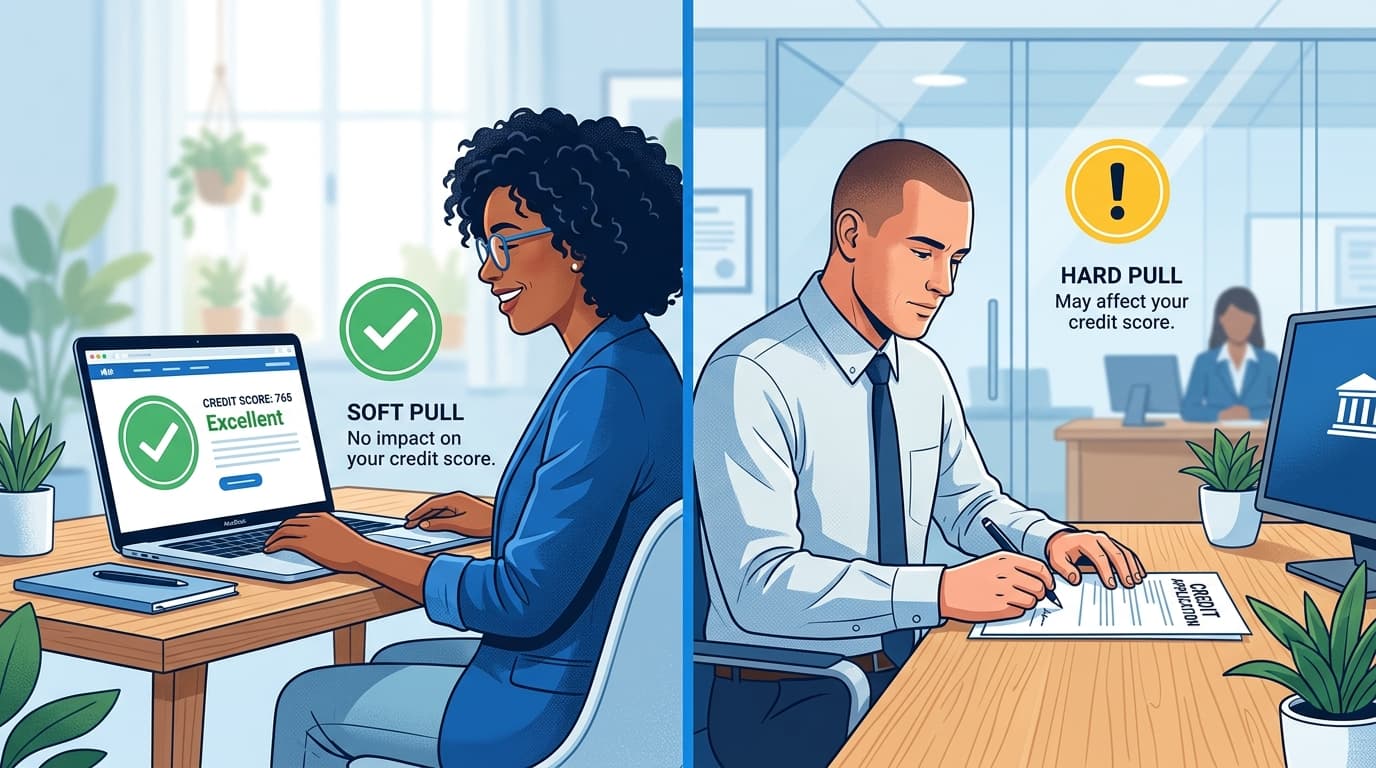
- You had other negative activity: A late payment on another account, a new hard inquiry, or a new collection can offset the positive impact of paying off debt.
- The paid-off loan was your only installment account: Losing your credit mix can cause a temporary dip, especially if you only have credit cards left.
- The account was reported incorrectly: Sometimes creditors report a paid-off account as "closed by creditor" instead of "paid as agreed," which can hurt your score.
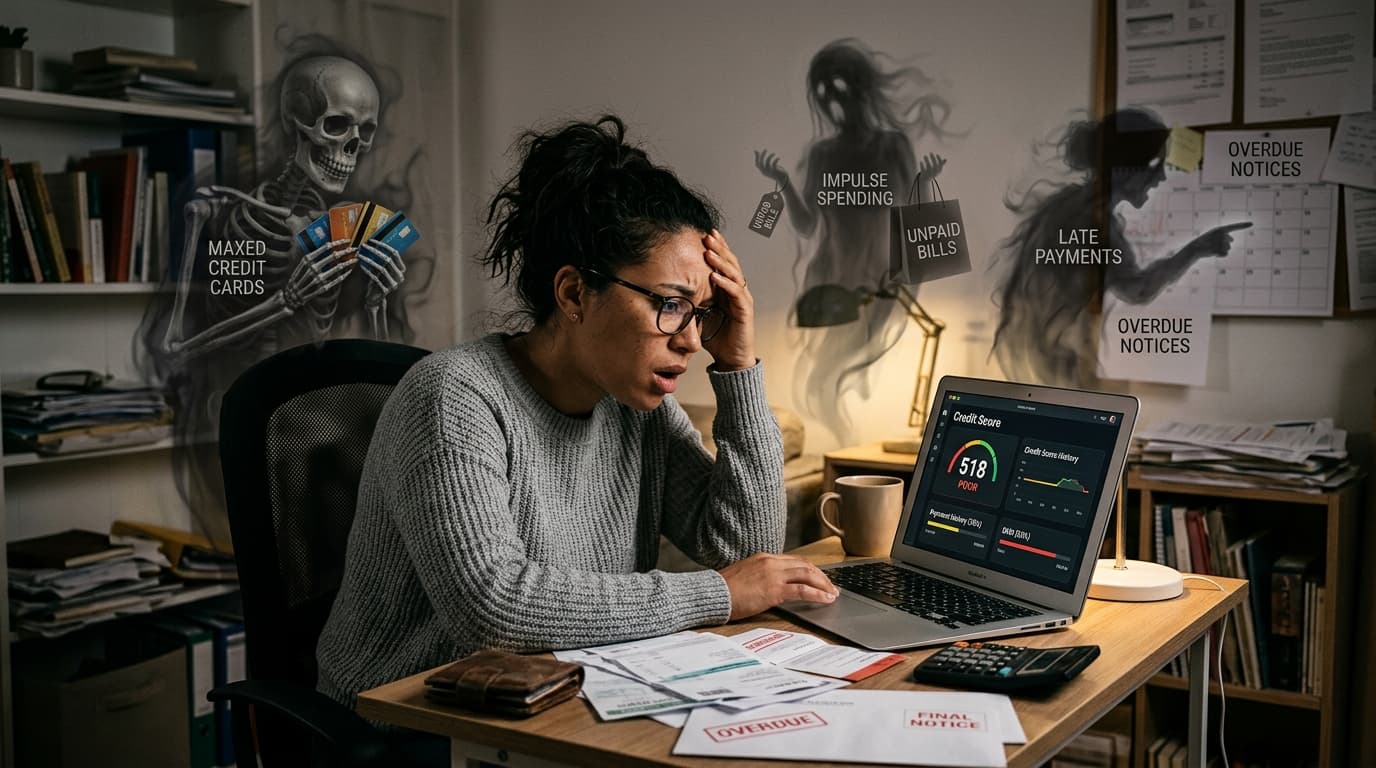
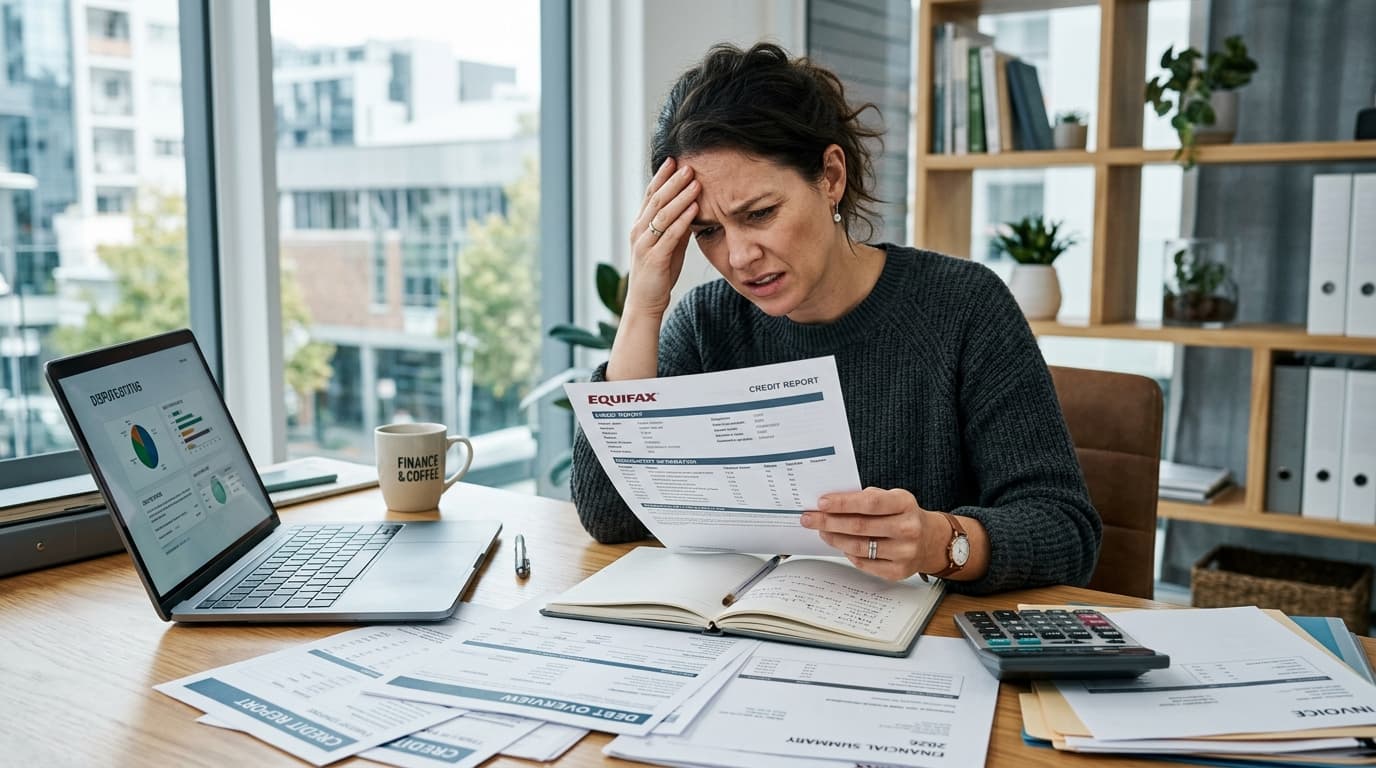
If your score drops or stays flat after paying off debt, pull your credit reports and check for errors. Creditors make mistakes all the time—especially when accounts are closed or paid off.
How to Speed Up the Process
Want to see improvement faster? Here's what you can do:
- Ask for a rapid rescore: If you're applying for a mortgage and just paid off debt, your loan officer can request a rapid rescore from the credit bureaus. This updates your report within 3-7 days instead of 30-45 days. (Note: Only mortgage lenders can do this—you can't request it yourself.)
- Pay before your statement closes: If you're paying off a credit card, make the payment before your statement closing date. That way, the creditor reports a lower balance (or $0 balance) to the bureaus right away, instead of waiting another month.
- Check all three bureaus: Your creditor might report to Experian, Equifax, and TransUnion on different dates. Check all three reports to see when each one updates.
- Dispute inaccuracies immediately: If the account shows up incorrectly—like still showing a balance after you paid it off—dispute it with the credit bureau. They have 30 days to investigate.
What Else Can You Do While You Wait?
If you've paid off debt and you're waiting for your score to catch up, don't just sit around. Keep building momentum:
- Pay down other balances: If you have other credit cards with balances, focus on lowering them next. The lower your overall utilization, the better.
- Set up autopay: Payment history is 35% of your score—the biggest factor. One missed payment can wipe out months of progress. Set up autopay so you never miss a due date.
- Become an authorized user: If you have a friend or family member with excellent credit, ask them to add you as an authorized user on their account. Their positive payment history can show up on your report and give your score a boost.
- Dispute other negative items: While you're waiting for the payoff to reflect, review your credit report for errors. Late payments, collections, charge-offs—anything inaccurate can be disputed under the Fair Credit Reporting Act (FCRA).
When to Get Professional Help
If you've paid off debt but your credit report is still loaded with negative items—late payments, collections, charge-offs, judgments—you might need more than time. You might need a strategy.
That's where professional credit repair comes in. At Crowned Credit, we work with clients who've done everything they can on their own but still can't break through to the score they need. We use FCRA rights to challenge questionable items, negotiate with creditors, and build a customized plan based on your unique situation.
CROA Disclaimer: Results vary based on individual circumstances. While we work to challenge inaccurate, unverifiable, or unfair items on your credit report under the Fair Credit Reporting Act (FCRA), we cannot guarantee specific outcomes or score improvements. Credit repair is a process, not a guarantee.
We offer three plans depending on how aggressive you want to be:
- Essential Plan: $150 setup + $99/month — foundational credit repair for people with a few negative items
- Accelerated Plan: $249 setup + $199/month — our most popular option, includes faster dispute cycles and priority support
- Momentum Plan: custom quote, one-time — intensive 90-day sprint for people who need results fast
Ready to see what we can do? Schedule a free consultation or call us at 336-310-0090. We'll pull your credit profile, show you exactly what's holding your score back, and map out a plan to fix it.
The Bottom Line
Paying off debt is a huge win—but don't expect your credit score to celebrate immediately. For credit cards, expect to see improvement within 1-2 months. For installment loans, it might take 2-3 months, and you might see a temporary dip first. For collections, the timeline depends on whether the account gets deleted or just marked "paid."
The key is patience—and making sure the creditor actually reports the payoff correctly. If 60 days go by and your score hasn't moved, pull your credit reports and check for errors. And if you're sitting on a report full of negative items that won't budge, we can help.
You did the hard part. Now let's make sure your credit score reflects it.
See our pricing | Book a free consultation | Learn how credit repair works