Midland Credit Management on Your Credit Report: How to Deal with MCM and Remove It

Ashley Rivera
Credit Repair Specialist
You pull your credit report, excited to check your progress, only to find a major drop in your credit score. You scroll down and see a collection account listed under a name you do not recognize: Midland Credit Management (often abbreviated as MCM). If you are like most people, your first reaction is a mix of confusion and frustration. Who are these people? You never opened an account with Midland. Why are they reporting on your credit, and how do you get them off?
The short answer is that Midland Credit Management is the largest buyer of unpaid debt in the United States. They do not extend credit directly; instead, they buy old, charged-off accounts from credit card issuers, banks, and lenders for pennies on the dollar and attempt to collect the full amount from you. The good news is that you have substantial federal rights, and there are legal, highly effective methods to challenge and remove Midland Credit Management from your credit reports. Here is the complete, step-by-step breakdown of how to deal with them in 2026.
Who Is Midland Credit Management (MCM)?
Midland Credit Management, LLC is a massive third-party debt collection agency and a subsidiary of Encore Capital Group (NASDAQ: ECPG). Headquartered in San Diego, California, Encore and Midland represent the heavyweight champions of the debt-buying industry. They operate on a simple but highly profitable business model: they purchase packages of old, delinquent debts from major original creditors—such as Capital One, Chase, Synchrony Bank, Citibank, and various personal loan companies—for a tiny fraction of what is actually owed.
How tiny? Typically, debt buyers like Midland purchase portfolios for 1.5 to 3 cents on the dollar. This means if you had an old credit card with a $3,000 balance that was charged off, Midland may have bought that account for around $60. Once they own the account, they own the legal right to collect on it. If they can convince or pressure you into paying even half of that $3,000 balance, they make a massive profit. The sheer scale of this operation means they manage millions of accounts at any given time.
Because they are a third-party debt buyer rather than an original creditor, their activities are heavily restricted by federal consumer protection laws. Midland also has a long history of regulatory scrutiny. In 2015, the Consumer Financial Protection Bureau (CFPB) hit Midland and its parent company with a major enforcement order, forcing them to pay $34 million in consumer refunds and a $10 million penalty for using deceptive collection tactics, including robo-signing court documents and suing consumers on expired debts. In 2020, the CFPB took action against them again, issuing another consent order and fining them $15 million for violating the 2015 order by continuing to collect on unsubstantiated debts and failing to provide required disclosures. When dealing with Midland, you are dealing with an organization that has a documented track record of pushing legal boundaries—which is why knowing your rights and documenting everything is so critical.
Why Is Midland Credit Management on Your Credit Report?
If Midland Credit Management is showing up on your Equifax, Experian, or TransUnion credit reports, it means a debt you allegedly owed to an original creditor was charged off and sold. Here is how that cycle works:
- You fell behind on payments on a credit card, personal loan, store card, or utility bill.
- After 120 to 180 days of consecutive non-payment, the original creditor "charged off" the account, declaring it a loss for tax purposes.
- The original creditor bundled your account with thousands of others and sold the portfolio to Midland Credit Management.
- Midland loaded your information into their system, created a new collection account under their name, and reported it to the major credit bureaus as an active collection.
This process often results in two negative entries on your credit report for the same underlying debt: the original creditor's account listed as "Charged Off" with a $0 balance, and Midland Credit Management's entry listed as an active "Collection" showing the full balance. While this seems unfair, it is legally permissible under the Fair Credit Reporting Act (FCRA) as long as the balances are reported accurately and the original creditor reports a $0 balance once the debt is sold.
However, the seven-year reporting clock does not reset when Midland buys the debt. Under the FCRA, a collection account can only remain on your credit report for seven years plus 180 days from the date of first delinquency of the original account. If your original card became delinquent in March 2020 and was sold to Midland in 2023, the entire entry must be removed from your credit reports by September 2027 at the absolute latest, regardless of when Midland purchased it. Any attempt by a collector to alter dates to keep a collection on your report longer is an illegal practice known as "re-aging."
The Damage of an MCM Collection Account
An active collection from Midland Credit Management is highly damaging to your credit profiles. Unlike late payments, which gradually lose their negative impact over time, an active collections account signals to automated underwriting systems that you have an unresolved, delinquent obligation. This can lead to:
- Severe Score Drops: Depending on your starting score, a single collection entry can immediately strip 50 to 110 points from your FICO and VantageScore ratings.
- Loan and Mortgage Denials: Most mortgage lenders running automated systems (like Fannie Mae's Desktop Underwriter) will flag active collections and require them to be resolved or removed before approving a home loan.
- Skyrocketing Interest Rates: If you are approved for a car loan or credit card with an active collection on your report, you will be relegated to subprime tiers, costing you thousands of dollars in extra interest payments.
- Rental and Employment Roadblocks: Many leasing offices and employers pull credit histories. An open collection with a major debt buyer can cause landlords to reject your rental application or require a much larger security deposit.
Ignoring a Midland collection and waiting for the seven-year clock to expire is a costly gamble. It keeps you trapped in a high-interest cycle that drains your wealth. Taking a strategic, proactive approach is the only way to reclaim control of your financial future.
Your Legal Shields: The FDCPA and the FCRA
Federal law provides you with incredibly powerful leverage when dealing with debt buyers like Midland Credit Management. You do not have to accept their claims blindly. There are two primary laws you must understand and use to your advantage.
The Fair Debt Collection Practices Act (FDCPA)
The FDCPA regulates how third-party debt collectors can interact with you. Under this federal statute:
- The Right to Debt Validation: Within 30 days of receiving Midland's initial written contact, you have the legal right to send a written validation request. Once they receive this letter, they must cease all collection efforts and cannot contact you again until they provide solid verification of the debt.
- No Harassment or Abuse: Midland collectors cannot call you before 8:00 AM or after 9:00 PM your local time. They cannot use profane language, threaten legal action they do not intend to take, or call you repeatedly to annoy you.
- Cease and Desist: You can send Midland a written request instructing them to stop calling or writing to you entirely. While this does not wipe away the debt (they can still sue you if the debt is within the statute of limitations), it legally forces them to stop the direct contact.
The Fair Credit Reporting Act (FCRA)
The FCRA regulates how credit bureaus and "furnishers" (companies like Midland that report data to bureaus) handle your information. Under the FCRA:
- The Right to Accurate Reporting: Everything reported on your credit file must be 100% accurate, complete, and verifiable. If any detail is wrong, it must be corrected or deleted.
- The Right to Dispute: You have the right to challenge any entry on your credit reports. If you file a dispute with the bureaus, they must forward it to Midland, who then has 30 days to conduct an investigation and verify every single detail of the account.
- Unverifiable Data Must Be Deleted: If Midland cannot locate the original records to back up their reporting, or if they fail to respond to the dispute within the 30-day window, the credit bureaus are legally required to delete the entire collection entry from your credit report.
Because Midland buys debts in massive bulk portfolios, they often receive very limited data from the original creditor—sometimes just a spreadsheet with names, addresses, and balances, but no original signed contracts, itemized payment histories, or statements. If you demand strict verification under the FCRA and they cannot produce the underlying documentation, they cannot legally maintain that negative entry on your credit reports.
Step-by-Step Guide to Removing Midland Credit Management
To successfully handle and remove a Midland collection account, you must follow a disciplined, systematic process. Do not call them on the phone to argue; always communicate in writing via certified mail to create a legally binding paper trail.
Step 1: Obtain and Review Your Official Credit Reports
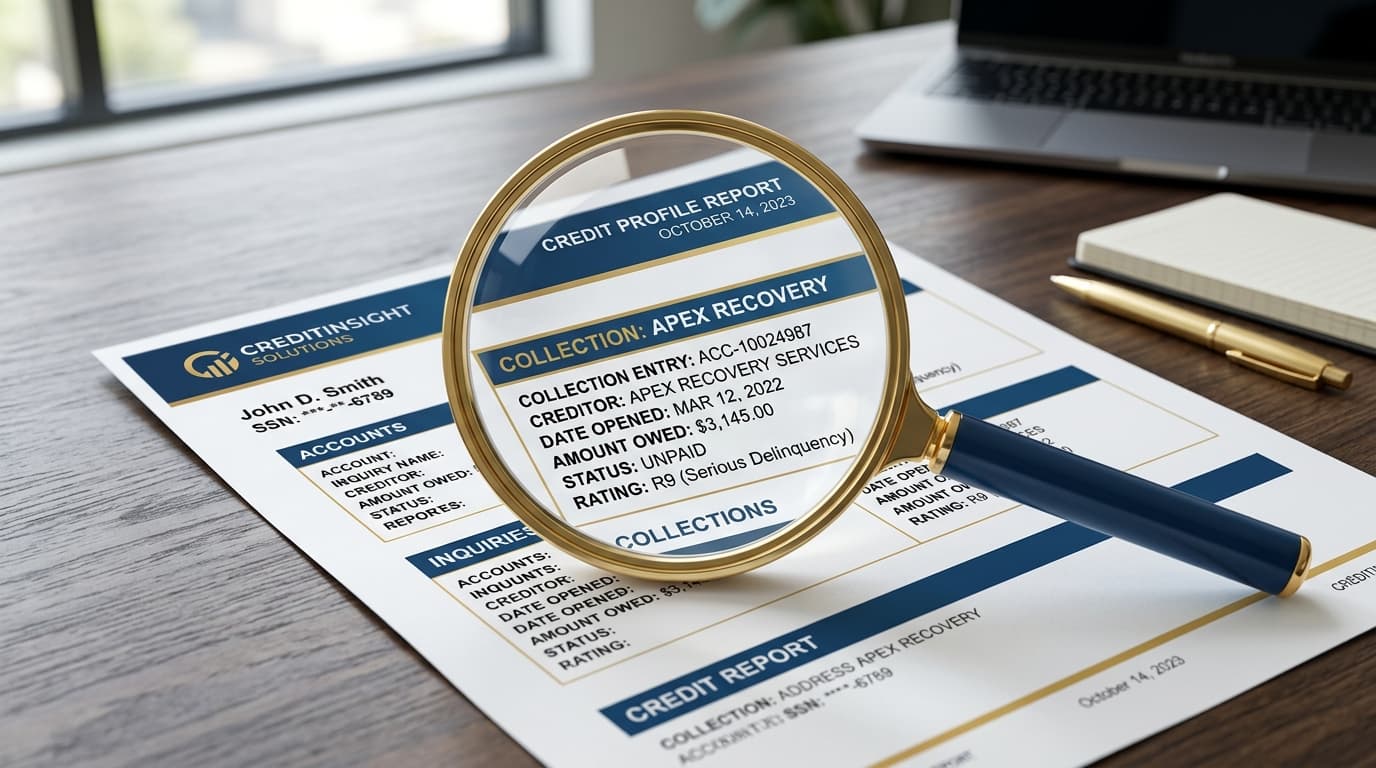
Go to AnnualCreditReport.com and download your official reports from Experian, Equifax, and TransUnion. Do not rely on free credit monitoring apps, which often show simplified summaries. Look closely at the Midland Credit Management entry on each report and note any of the following discrepancies:
- Is the balance reported differently across the three bureaus?
- Does the "Date Opened" list the date Midland bought the account rather than when the original delinquency occurred? (This is a common error).
- Are there inaccuracies in the account number, payment status, or credit limit?
- Is the original creditor's entry properly reporting a $0 balance?
Any inconsistency between reports is immediate grounds for a dispute under the FCRA. If they report one balance to Experian and a different balance to TransUnion, their reporting is demonstrably inaccurate.
Step 2: Submit a Written Debt Validation Request
If Midland has recently initiated contact with you, draft a formal debt validation letter. Keep it simple and direct. Do not admit to owning the debt; instead, state that you are exercising your rights under the FDCPA and request that they provide:
- A copy of the original contract or agreement bearing your signature.
- A complete transaction history showing how the claimed balance was calculated.
- Proof of the legal chain of ownership transferring the debt from the original creditor to Midland.
- The license numbers showing they are legally authorized to collect debts in your home state.
Send this letter via Certified Mail with Return Receipt Requested. If Midland cannot provide this documentation, they are legally barred from continuing to collect or report the account.
Step 3: Check Your State's Statute of Limitations
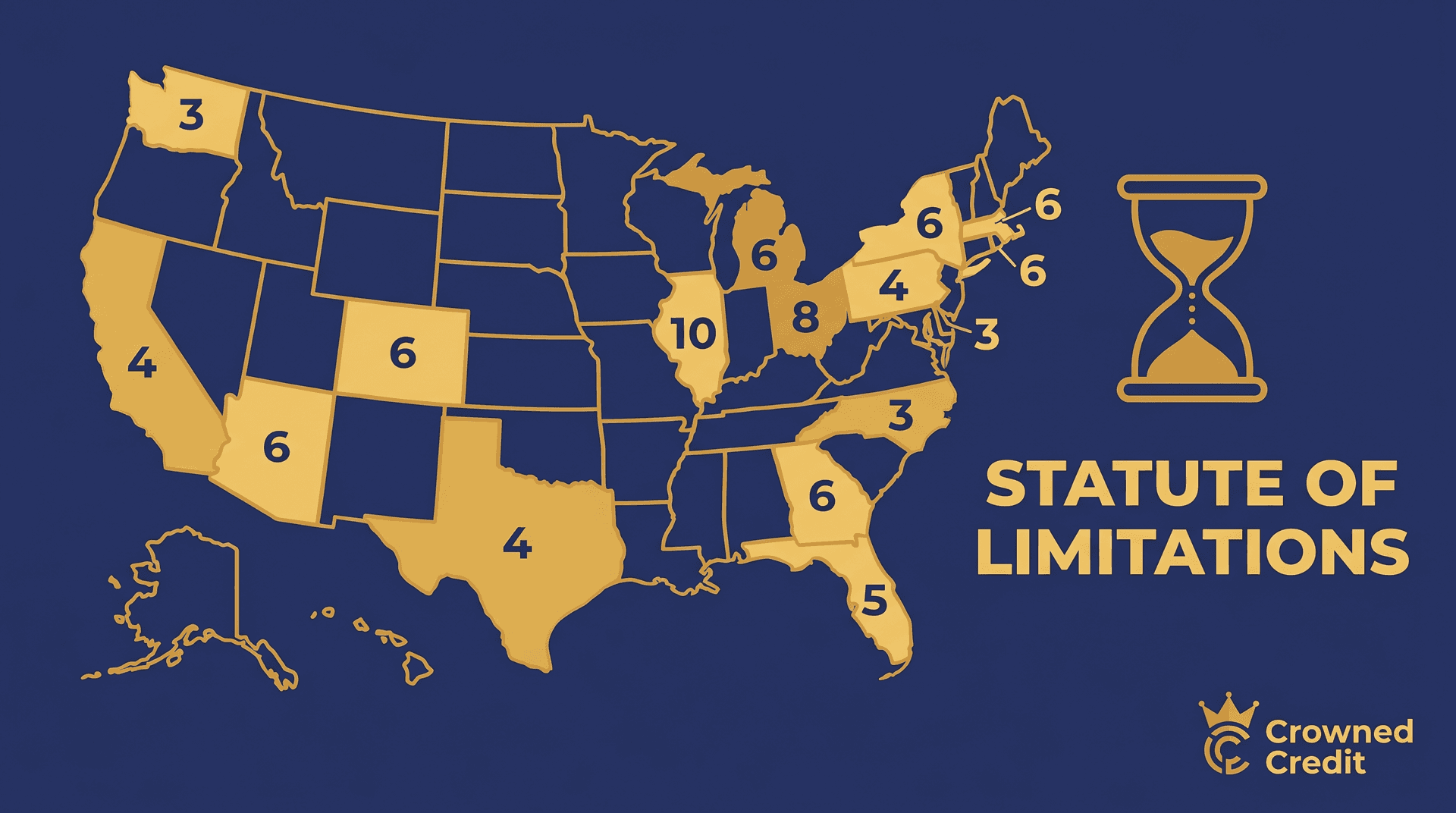
Before you negotiate or make any payments, you must check the statute of limitations (SOL) for debt in your state. The SOL is the legal time limit during which a creditor can sue you in court to collect a debt. Once this limit passes, the debt becomes "time-barred." While they can still list it on your credit report (until the 7-year FCRA limit hits) and call you, they cannot win a lawsuit against you if you raise the SOL as a defense.
Statutes of limitations vary widely by state, typically ranging from 3 to 6 years for credit cards and written contracts. Be extremely careful: in many states, making even a tiny partial payment or signing a written payment agreement will legally restart the statute of limitations clock, giving Midland a fresh window to sue you. If the debt is already time-barred, you have immense leverage.
Step 4: Dispute the Account with the Credit Bureaus
If you have identified errors or if Midland failed to provide proper debt validation, file a formal dispute with Experian, Equifax, and TransUnion. Write a clear dispute letter outlining the specific inaccuracies you found. For example: "The balance reported on account number XXXXX by Midland Credit Management is inaccurate. I am disputing this account under the FCRA. Please investigate and delete this unverifiable information."
The credit bureaus have 30 days to forward the dispute to Midland, investigate, and reply. If Midland cannot verify the entry with accurate records within that timeframe, the account must be permanently deleted. If they verify it anyway without addressing the errors, you can request the method of verification to see exactly how they conducted their investigation.
Step 5: Leverage Midland's Unique Pay-for-Delete Policy
Unlike many major debt collection agencies that stubbornly refuse to remove accurate accounts, Midland Credit Management has an official, publicly stated "Pay-for-Delete" policy. On their website, Midland explicitly states that they will stop reporting the collection account to the credit bureaus if you pay or settle the account, provided the debt is older than two years from the date of first delinquency.
While this is an easier path to removal, you must handle it strategically:
- Never Pay Full Balance: Because Midland purchased the debt for pennies, they are usually willing to settle for 30% to 50% of the claimed balance. Start your negotiation low—around 20%—and settle somewhere in the middle.
- Get It in Writing First: Do not pay a single cent based on a phone representative's verbal promise. Demand a formal settlement letter stating the agreed-upon amount, that this payment satisfies the debt in full, and that they will request the deletion of the tradeline from all credit bureaus within 30 days of payment.
- Understand the Tax Implications: If Midland forgives more than $600 of the original debt balance as part of a settlement, they are required to report it to the IRS. You may receive a Form 1099-C (Cancellation of Debt), and the forgiven amount could be treated as taxable income on your next tax return.
Step 6: Send a Direct Dispute to Midland
If disputing through the credit bureaus does not yield results, you can file a direct dispute with Midland Credit Management under the FCRA. Send your dispute letter, along with copies of your credit reports highlighting the errors, directly to Midland's disputes department. You can locate their current mailing address and submission guidelines on their official disputes page at portfoliorecovery.com/contact-us/disputes or through their corporate site. Sending a direct dispute forces Midland to conduct an internal audit of their records, and if they cannot back up their claims, they must delete the reporting.
When the Bureaucracy Wins: Why Professional Credit Repair Is Worth It
The process of disputing collections with massive debt buyers and credit bureaus can be exhausting. It is common to send a well-documented dispute, only to receive a generic "verified" response 72 hours later. The bureaus often use automated scanning systems that reduce complex, multi-page disputes into two-digit codes, ignoring your evidence entirely. Midland's past CFPB consent orders prove that they do not always follow dispute regulations voluntarily.
If you have tried disputing on your own and hit a brick wall, or if you are preparing to buy a home, secure a car loan, or build business credit and cannot afford to wait, professional credit repair is a highly strategic choice. Professional services understand how to bypass automated bureau systems, handle complex validation processes, and escalate disputes when collectors violate federal law.
At Crowned Credit, we take a aggressive, legal, and highly systematic approach to challenging collection accounts from agencies like Midland Credit Management, Portfolio Recovery Associates, and LVNV Funding. We look at your credit profile as a whole, identifying structural flaws, cross-bureau inaccuracies, and procedural violations that give us the leverage to demand deletions.
We offer clear, transparent, and results-focused plans designed to fit your goals and timeline:
- Essential Plan ($150 setup fee + $99/month): Perfect for standard credit rebuilds, focusing on core bureau disputes and systematic escalations.
- Accelerated Plan ($249 setup fee + $199/month): Designed for individuals on a tight deadline (such as preparing for a mortgage or business expansion). This plan features intensive, multi-channel disputes and expedited processing.
- Momentum Plan (custom quote, one-time): A complete, flat-rate package for comprehensive, full-service credit restoration with a defined scope.
You can view our complete pricing plans here or schedule a free, comprehensive consultation to have an expert analyze your credit files. Our team can also be reached directly at 336-310-0090 to answer your questions.
Critical Mistakes to Avoid When Dealing with Midland
One wrong move can set your credit repair progress back months. When Midland Credit Management appears on your credit report, make sure you avoid these common traps:
- Do Not Agree to a Payment Plan on the Phone: Phone representatives are trained to lock you into agreements. They will often try to get a small "good faith" payment. That small payment can legally revive a time-barred debt, giving them the right to sue you.
- Do Not Send Original Documents: When sending disputes or validation requests, only send photocopies. Keep your original credit reports, letters, and certified mail receipts organized in a dedicated file.
- Do Not Use Generic Dispute Templates: Using easily recognizable, generic dispute templates found online often leads the credit bureaus to flag your dispute as "frivolous" and discard it without conducting an investigation.
- Do Not Assume Paying Automatically Removes the Entry: Unless you have an explicit Pay-for-Delete agreement, paying off a collection merely changes the status to "Paid Collection." A paid collection still damages your credit score and flags you as a risk to underwriting models. Deletion is the only outcome that restores your score.
The Long-Term Cost of Inaction
A collection account from Midland Credit Management will not simply disappear because you ignore it. Over its seven-year lifespan, a single collection can cost you tens of thousands of dollars. If you are shopping for a 30-year home mortgage, a lower credit score caused by a collection account can push your interest rate up by 1% to 2%. Over the life of a $350,000 mortgage, that small difference in interest rate results in over $80,000 of unnecessary payments. That is the real cost of bad credit.
Whether you choose to tackle Midland on your own or partner with a professional team like Crowned Credit, taking action is the single best financial decision you can make today. You have federal laws protecting you, and Midland's own business model relies on consumers not knowing their rights. By educating yourself and asserting your legal protections, you can successfully remove Midland Credit Management from your credit reports and build a secure financial foundation.
Ready to take the first step toward clean credit? Book your free Crowned Credit consultation today, or call our Greensboro office at 336-310-0090. We will review your reports, identify your negative items, and build a tailored strategy to restore your score.
Legal Disclaimer: Crowned Credit is a credit repair organization as defined by the Credit Repair Organizations Act (CROA). Results vary based on individual circumstances and credit history. We do not guarantee the removal of any specific item from your credit report or promise any specific improvement in your credit score. Nothing in this article constitutes legal or financial advice. Consult a licensed attorney or financial advisor for advice specific to your situation.