Credit RepairMay 26, 20268 min read
How Job Loss Affects Your Credit Score (and How to Protect It in 2026)

Ashley Rivera
Credit Repair Specialist

Does Unemployment Show Up on Your Credit Report?
No. Your credit report tracks:- Payment history (35% of your FICO score)
- Credit utilization (30%)
- Length of credit history (15%)
- New credit inquiries (10%)
- Credit mix (10%)
- Employment status
- Income level
- Savings account balances
- Unemployment benefits
How Job Loss Indirectly Damages Your Credit
Even though unemployment doesn't appear on your report, the financial domino effect does:1. Missed or Late Payments
This is the biggest threat. Payment history is 35% of your credit score. A single 30-day late payment stays on your report for **seven years** and can drop your score by 60-110 points. If you're 60 or 90 days late, the damage multiplies. Miss three months in a row and your score could drop 150+ points.2. Credit Utilization Spikes
When income stops, people often rely on credit cards to cover essentials. If you max out a card that previously had a $500 balance on a $5,000 limit (10% utilization), you just jumped to 100% utilization. **Credit scoring systems hate that.** Utilization over 30% hurts your score. Over 50%? Severe damage. Over 90%? You're in freefall.3. Accounts Sent to Collections
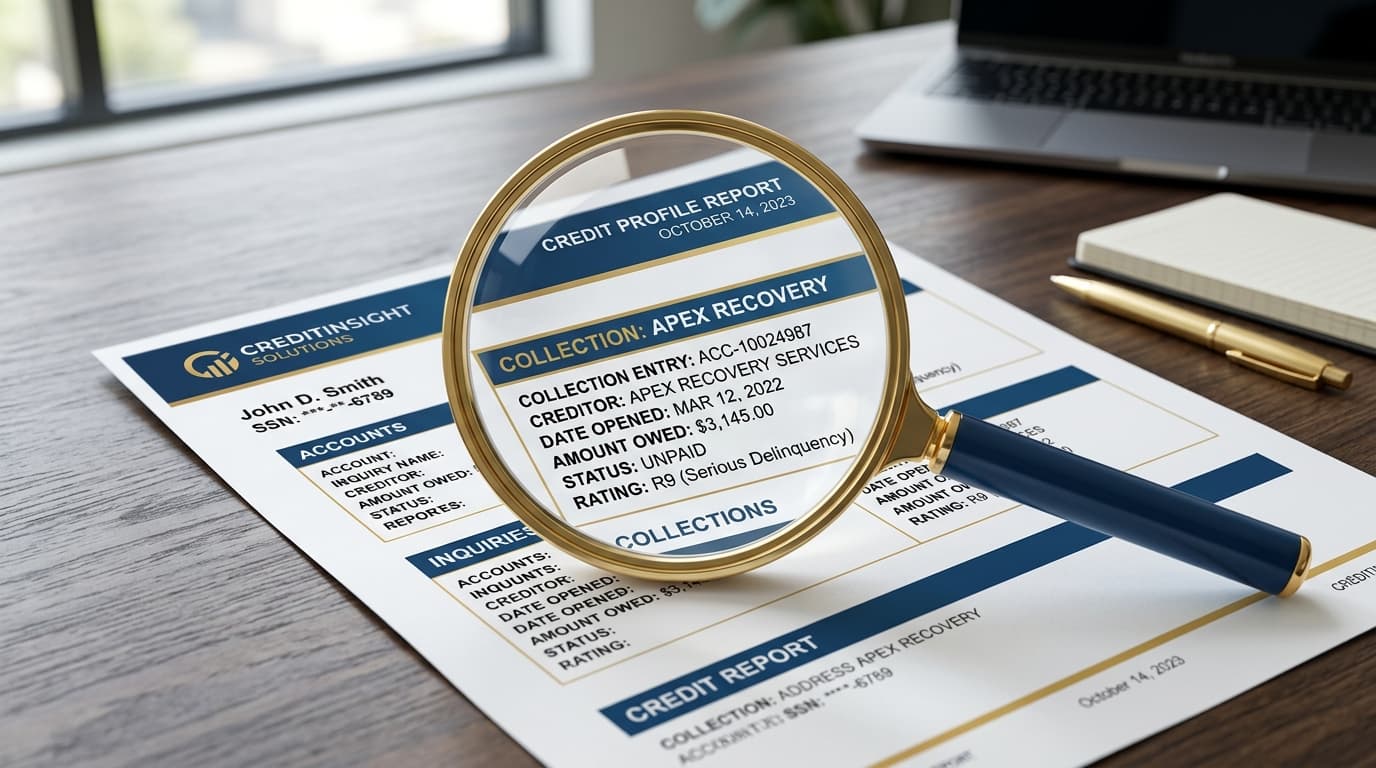
If you stop paying a credit card, medical bill, or personal loan entirely, the creditor may charge off the account and sell it to a collection agency. Collections accounts tank your score and stay on your report for seven years—even after you pay them.4. Closed Accounts and Credit Limit Cuts
Some credit card issuers monitor your payment behavior across all your accounts (not just theirs). If they see you're missing payments elsewhere, they might:- Close your account for inactivity or risk
- Slash your credit limit
What to Do First (Before You Miss a Payment)
If you just lost your job or see layoffs coming, take these steps **immediately**—before your first bill is due:1. Contact Your Creditors and Request Hardship Programs
Most credit card issuers, auto lenders, and mortgage servicers offer temporary relief programs for customers experiencing job loss. These can include:- Reduced or paused payments for 3-6 months
- Lower interest rates temporarily
- Waived late fees
- Deferred payments pushed to the end of your loan
2. Prioritize Bills in This Order
When money's tight, you can't pay everything. Here's the order financial experts recommend:- Housing (rent or mortgage) – losing your home creates a worse crisis
- Utilities (electric, water, heat) – essential for daily survival
- Car payment (if you need it to get to interviews or a new job)
- Credit cards and personal loans – make at least the minimum
- Medical bills – these take longer to hit your credit (365 days under current rules)
3. Apply for Unemployment Benefits Immediately
File as soon as you're laid off. Most states have a one-week waiting period, and the application process can take 2-3 weeks. You need that income bridge while you job hunt.4. Review Your Credit Reports for Errors
Get your free reports at AnnualCreditReport.com. Look for:- Accounts that aren't yours
- Incorrect late payments
- Duplicate accounts
- Outdated collection accounts
5. Pause New Credit Applications
Every credit application triggers a hard inquiry, which can drop your score by 5-10 points. During unemployment, avoid applying for new credit unless it's absolutely necessary. You'll likely get denied anyway, and multiple denials make you look desperate to future lenders.What NOT to Do When You're Unemployed
❌ Don't Ignore Your Bills
Burying your head in the sand makes it worse. Creditors can work with you *if you call them*. Once you're 60+ days late, your options shrink fast.❌ Don't Drain Your Retirement Accounts
Cashing out a 401(k) early means:- 10% early withdrawal penalty (if you're under 59½)
- Income taxes on the full amount
- Losing decades of compound growth
❌ Don't Take Out Payday Loans
Payday loans charge 300-400% APR and trap you in a debt cycle. The short-term cash isn't worth the long-term financial damage.❌ Don't Close Credit Cards to "Simplify"
Closing cards reduces your available credit, which spikes your utilization ratio and hurts your score. Keep cards open, even if you're not using them.❌ Don't Co-Sign Loans for Others
You're legally responsible if they don't pay. If you're unemployed and they miss payments, *your* credit gets wrecked.If You've Already Missed Payments
If you're reading this after missing a payment or two, here's how to minimize the damage:Catch Up ASAP
Late payments under 30 days usually don't get reported to credit bureaus. If you're on day 25, do whatever it takes to pay before day 30.Ask for a Goodwill Adjustment
If you have a solid payment history and this is your first late payment, call your creditor and ask them to remove it as a courtesy. It doesn't always work, but it's worth a 10-minute phone call. Learn how to write a goodwill letter here.Negotiate a Pay-for-Delete
If an account has already gone to collections, you may be able to negotiate a deal: you pay the debt (or a portion of it), and the collector agrees to remove it from your credit report. Get the agreement in writing *before* you pay. Here's how to negotiate pay-for-delete.How to Rebuild Credit After You're Reemployed
Once you land a new job and stabilize your income:- Set up autopay for all bills to avoid future missed payments
- Pay down high-balance cards first to lower utilization
- Dispute lingering errors on your credit report
- Consider a secured credit card if your score dropped below 600
- Monitor your credit monthly to track recovery
When to Consider Professional Credit Repair
If job loss caused:- Multiple late payments across several accounts
- Charge-offs or collections
- A credit score drop of 100+ points
- Errors on your report that creditors won't fix
CROA Disclosure: Crowned Credit is a credit repair organization as defined under federal law. We cannot guarantee specific results or timelines. You have the right to dispute credit report errors yourself at no cost by contacting the credit bureaus directly.