Does Child Support Affect Your Credit Score in 2026?

Ashley Rivera
Credit Repair Specialist
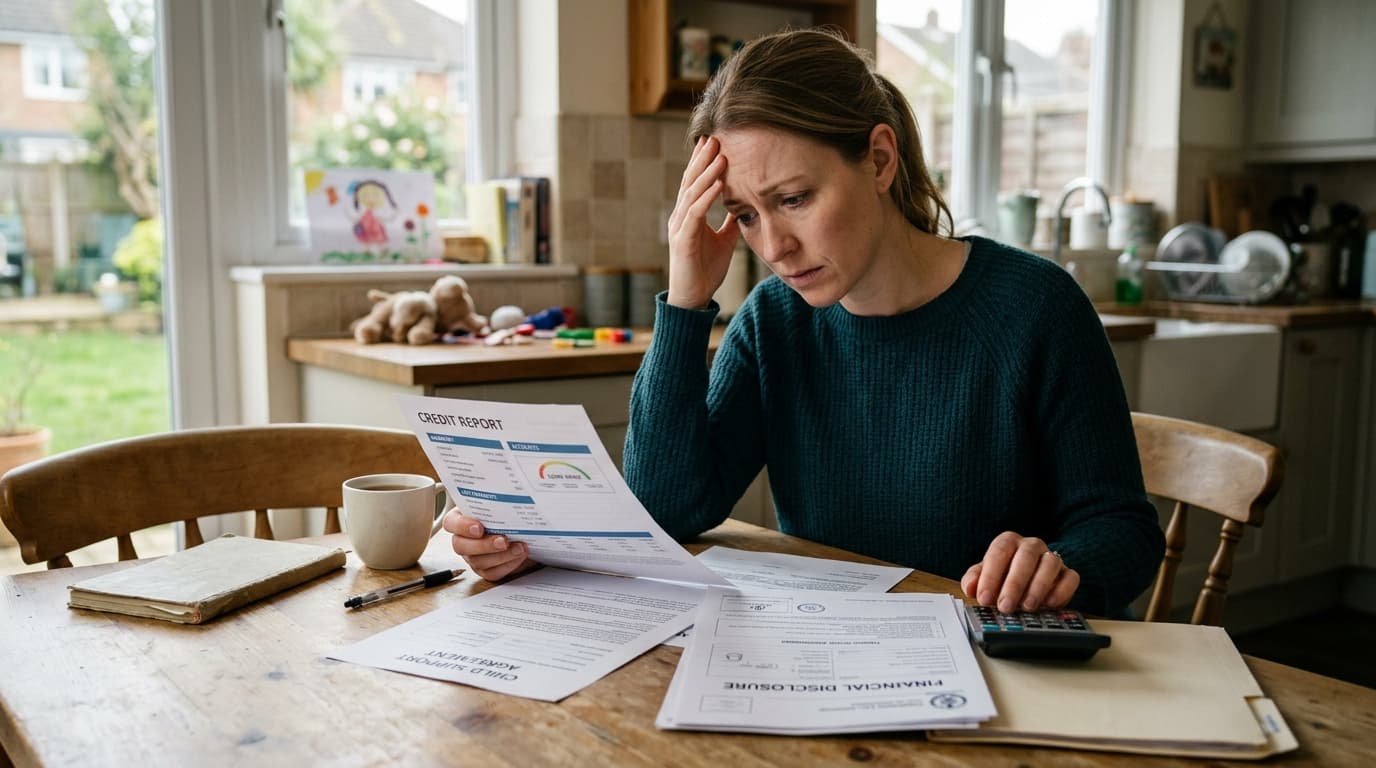
You miss a credit card payment and you expect consequences. You fall behind on a car loan, same thing. But a lot of people are shocked when they learn that past-due child support can hurt their credit too.
That surprise usually shows up at the worst possible moment. You are applying for an apartment. Trying to get approved for a car. Hoping to qualify for a mortgage. Then a lender pulls your report and there it is, a child-support delinquency dragging the file down.
So let’s answer the real question plainly. Does child support affect your credit score? Yes, it can, especially when payments become seriously past due and get reported to the credit bureaus. Paying on time usually does not build credit the same way a credit card or auto loan can. But getting behind can absolutely create problems.
In this guide, I will break down how child support can show up on your credit report in 2026, when it hurts, how long it can stay, and what you should do if the reporting is wrong. If your report already has negative items beyond child support, Crowned Credit can help you build a broader plan through a consultation.
Does Child Support Show Up on Your Credit Report?
Sometimes, yes.
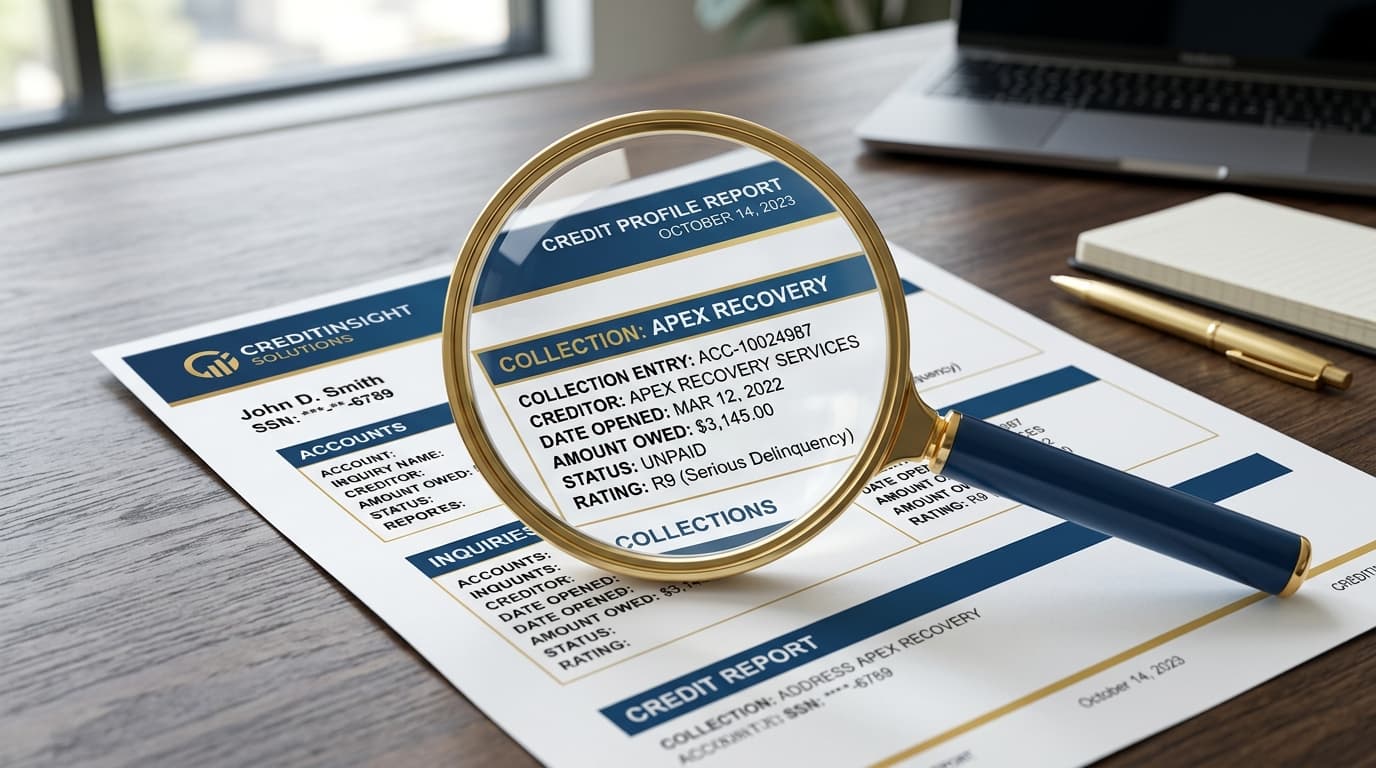
What matters is usually not the existence of a child support order by itself. The bigger issue is delinquent or overdue child support. Federal law requires states to maintain procedures for reporting overdue child support to consumer reporting agencies, and major credit bureau education pages note that unpaid child support can appear on a credit report and remain there for up to seven years.
That means the risk is real. If you fall behind far enough, the delinquency may be reported and treated as a serious negative item by lenders reviewing your file.
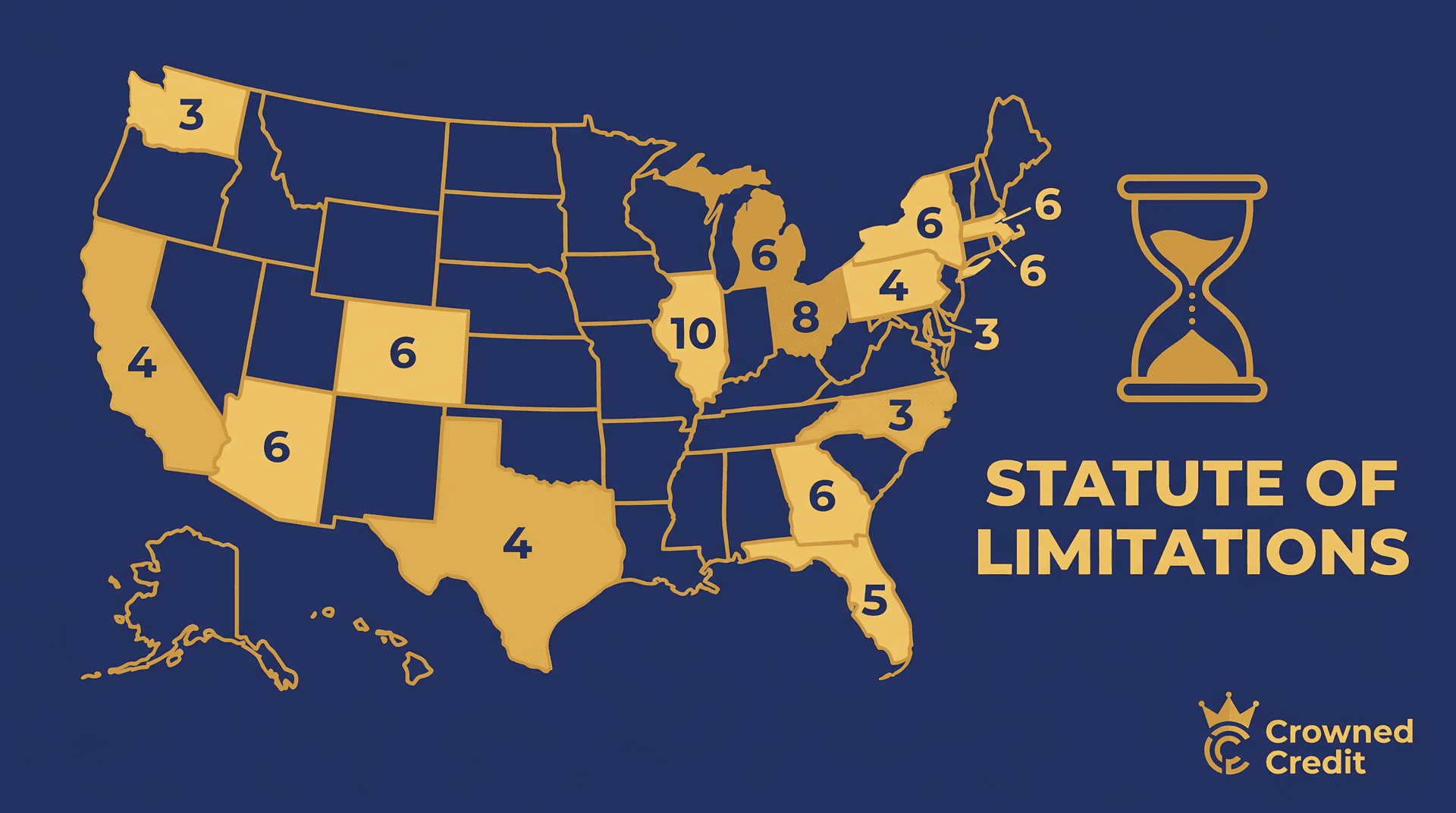
There is not one universal reporting trigger for every case. Legal education sources often note that agencies may report when arrears pass certain thresholds, such as $1,000 owed or delinquency lasting 60 to 90 days, but the exact handling can vary by state and agency. The safe assumption is simple: once you are materially behind, your credit can be exposed.
If you want to see what is on your reports right now, pull them from AnnualCreditReport.com. It is the official source for free credit reports. You should check all three bureaus, not just one.
Will Paying Child Support on Time Raise Your Score?
Usually, no, at least not in the way people hope.
Most people think, “If late child support can hurt me, then on-time child support should help me.” Credit reporting does not always work that cleanly. Many consumers do not get a positive scoring benefit simply from making regular child support payments because child support is not typically reported like a normal open installment account with clean monthly payment history.
So the better way to think about it is this:
- On-time child support: may help you avoid damage, but usually is not a direct credit-building strategy
- Past-due child support: can damage your report and make lenders nervous
If your main goal is building positive credit, look at strategies that are designed for that, like secured credit cards, credit builder loans, and lower revolving utilization. We also broke down whether utility bills build credit if you are looking for other accounts that may or may not help.
How Child Support Can Hurt Your Credit Score
Once child support becomes seriously delinquent, the damage is usually indirect but very real.
Here is the typical chain reaction:
- You fall behind on court-ordered support
- The arrears are reported through a state child support enforcement agency or related reporting channel
- The delinquency appears on your credit report
- Lenders see a serious unpaid obligation and your score may drop
The exact score impact depends on the rest of your file. Somebody with a clean report and one fresh major derogatory can feel the hit harder than someone whose file is already loaded with charge-offs, collections, and maxed-out cards. There is no honest fixed number. Anyone promising, “This will drop your score exactly 83 points,” is guessing.
Still, the practical effect is obvious. Delinquent child support can make approvals harder, rates worse, and underwriting more complicated.
How Long Can Child Support Stay on Your Credit Report?
A common rule of thumb is up to seven years for delinquent child support information that gets reported, though the exact timeline depends on how the account or delinquency is furnished and maintained.
That seven-year window matters because people often assume that catching up on the balance makes the reporting vanish immediately. Usually, that is not how it works.
Paying the arrears may:
- Stop additional damage from growing
- Update the status to show the debt was paid or brought current
- Improve how future lenders view the account versus an unresolved delinquency
But it may not instantly delete the history of the delinquency itself.
This is similar to other negative items. Paying a collection or resolving a charge-off can matter, but the reporting history still has its own timeline. If you are dealing with multiple issues at once, read collections on your credit report and how charge-offs are removed.
Can Child Support Keep You From Getting Approved?
Yes. It can affect more than just your score.
Lenders do not only look at the three-digit number. They also look at what is actually on the report. A recent or unresolved child support delinquency can raise concerns about financial stability, monthly obligations, and repayment risk.
You may run into problems with:
- Mortgage approvals
- Auto loans
- Personal loans
- Apartment applications
- Credit card approvals
For example, a borrower with a 640 score might think the score alone is enough for a certain loan program. But if an underwriter sees active child support arrears, that file may still get extra scrutiny or a flat-out denial.
That is why the question is not just “did my score drop?” The better question is “what story does my report tell a lender right now?”
What If the Child Support Reporting Is Wrong?
Then you need to move fast.
Credit reporting errors around child support can happen. The balance may be wrong. The status may show delinquent when payments were already caught up. The same obligation may be updated slowly after a court change or agency processing lag.
If the reporting is inaccurate or incomplete, take these steps:
- Pull all three credit reports
- Compare the reported status to your payment records, court records, or agency statements
- Save proof of payment, case history, and any modification orders
- Dispute inaccurate information with the bureau reporting it
- Contact the child support agency or furnisher if their data is wrong
Your rights here matter. Under the Fair Credit Reporting Act, information reported to the bureaus must be properly verified and handled accurately. If you need a deeper breakdown, start with what the FCRA is, credit report errors, and how credit disputes work.
And if the file is messy beyond one issue, that is where professional credit repair strategy can help. Crowned Credit challenges negative reporting strategically using consumer rights under federal law, while also looking at the bigger picture, not just one line item.
Can You Remove Child Support From Your Credit Report?
Sometimes, but it depends on why it is there.
If the reporting is accurate and the delinquency was legitimately reported, removal is harder. You are usually dealing with the natural reporting timeline unless there is a valid basis to challenge the data, the dates, the balance, the status, or the verification.
If the reporting is inaccurate, duplicated, outdated, or not properly verified, then removal becomes a stronger conversation.
That distinction matters a lot. People waste months arguing the wrong angle. They keep saying, “I paid it, so delete it,” when the real issue might be that the reported amount never updated, the date is wrong, or the account is being shown in a misleading way.
That is the same reason we tell people not to guess their way through a dispute. The right argument matters.
What Should You Do if You Are Behind on Child Support?
First, do not ignore it. Child support arrears can snowball fast.
Second, separate the problem into two buckets:
- The legal/payment side: what you owe, whether the order changed, and what the enforcement agency is doing
- The credit reporting side: how that information is appearing with the bureaus and whether it is accurate
Those are related, but they are not the same thing.
If you are actively behind, resolving the underlying obligation matters first. If the credit reporting is also wrong, dispute that separately and with documentation. If you already caught up but the report still looks ugly, check whether enough time has passed for the update to hit. In many cases, reporting changes are not instant and can take several weeks.
How to Rebuild Your Credit After Child Support Problems
Once the child support issue is being handled, the next move is rebuilding the rest of the file. This is where people either recover smartly or stay stuck for another year.
Focus on the basics that actually move credit:
- Keep revolving utilization low
- Never miss current payments
- Open positive accounts only when they make sense
- Review reports regularly for inaccurate negative items
- Address collections, charge-offs, and late payments strategically
For a lot of consumers, the child support issue is not the only problem. It is one part of a bigger file. Maybe there is also a repossession, maxed-out cards, or old collections mixed in. If that sounds familiar, read what a good credit score looks like in 2026, how to read your credit report, and how collections are addressed.
When It Makes Sense to Get Help
If your only issue is a small reporting delay and you have clean documentation, you may be able to handle it yourself.
But if any of these are true, outside help may make sense:
- You have multiple negative items, not just child support
- You are applying for financing soon and timing matters
- The reporting is confusing across different bureaus
- You are not sure whether to dispute, wait, or rebuild first
Crowned Credit helps clients look at the full file, not just one symptom. If you want a professional review of what is hurting your report and what to tackle first, check the pricing page:
- Essential: $150 setup + $99/month
- Accelerated: $249 setup + $199/month
- Momentum: custom quote, one-time
If you want to talk it through, book a consultation or call 336-310-0090.
FAQ: Child Support and Credit Scores
Can current child support payments help my credit score?
Usually not in the same way a credit card or loan can. Making payments can prevent damage, but it is not typically reported as a standard positive tradeline.
Will paying off child support arrears remove it from my report right away?
Usually no. The account or delinquency may update, but negative history does not always disappear immediately.
Can I dispute child support on my credit report?
Yes, if the amount, dates, status, or reporting details are inaccurate or incomplete. You should gather records first and challenge the exact error.
*Credit repair results vary by individual. Crowned Credit disputes negative items using consumer rights under federal law, including the Fair Credit Reporting Act. We do not guarantee specific credit score increases, timelines, or removal outcomes. The Credit Repair Organizations Act requires this disclosure.*
Final Answer
Yes, child support can affect your credit score in 2026, mainly when payments become overdue and the delinquency is reported to the credit bureaus. Paying on time usually helps you avoid damage, but it is not typically a direct credit-building tradeline like a credit card or installment loan.
If child support is hurting your report, do not just stare at the score. Check whether the reporting is accurate, handle the underlying obligation, and build a plan for the rest of your file too.
Book a consultation with Crowned Credit if you want help reviewing the damage, challenging inaccurate negative items, and putting together a smarter recovery strategy.